








I feel like a total fucking loser when I’m standing around a crowded kitchen and think to mention that I have weed—and worse yet—if anyone would like to smoke it with me. Be it a leave-the-Blundstones-at-the-door type of night or an everyone-here-used-to-work-at-SSENSE-before-they-went-under kind of party, everyone is profoundly unconcerned. The innocent bystanders get back to their conversations and I’m left to contemplate: where have all the stoners gone? The thought carries me out to the crowded balcony, where I forget it once welcomed by the Belmont chain smokers. They are for-real uninterested in my weed, though. I foolishly assumed I’d end up smoking with an acquaintance filed in my mind’s weed-enjoyer registry,but none of them seem to be here tonight. Not even the Blundstone people want free weed. Is nothing sacred? I smoke just half of the joint I rolled at home, put it out on the wrought-iron railing, then save it for later by gently inserting it into the empty, ashen, orange XL Tic Tac container I keep in my bag for exactly this purpose.
Perhaps it’s the type of party where aspiring DJs are huddling around a set of decks, or maybe someone is playing the This is Drake Spotify playlist on a UE Boom speaker. Whatever it is, it makes a great soundtrack for my walk to the living room, where I set myself down on the couch and evaluate my surroundings. I think long and hard about my prior revelations, and realize that, not only have stoners disappeared from the social spaces in which I need them, but also, like, from culture. Weed is no longer in style. Once mainstream media’s favourite wink, its cool-factor has been eroding ever since it entered the mainstream market. But surely, Canada’s cannabis legalization can’t have caused this big of a shift–our cultural sway is highkey not that powerful. Something else is to blame for weed’s departure, and whatever it is, it’s also taken the stoner mindset with it.


When did it all go sour? I succumb to inevitable cannabis-induced nostalgia. I think back to being a sophomore at university, to the first house parties in dilapidated apartments, when weed was the best possible accessory to a Nancy-Botwin-ass tank top, something you wanted to show off rather than shroud with no-worries-if-not invitations to smoke. I reminisce on my high school days, even, hotboxing my friend’s rickety Toyota Echo to the tune of Snoop Dog x Wiz Khalifa’s “Young Wild & Free,” and reblogging girls in HUF socks on Tumblr soundtracked by the diluted electro-pop sounds of chillwave. I think back to scouring what I thought was the dark web for 360p Megavideo links of Pineapple Express instead of doing my science homework, which I had gotten used to doing most of since my class partner had become my dealer. He showed his thanks by throwing in a free half-used pack of blueberry-flavoured Juicy Jay papers one time. It all felt so very scandalous. Which is probably–no, precisely–why it felt so cool.
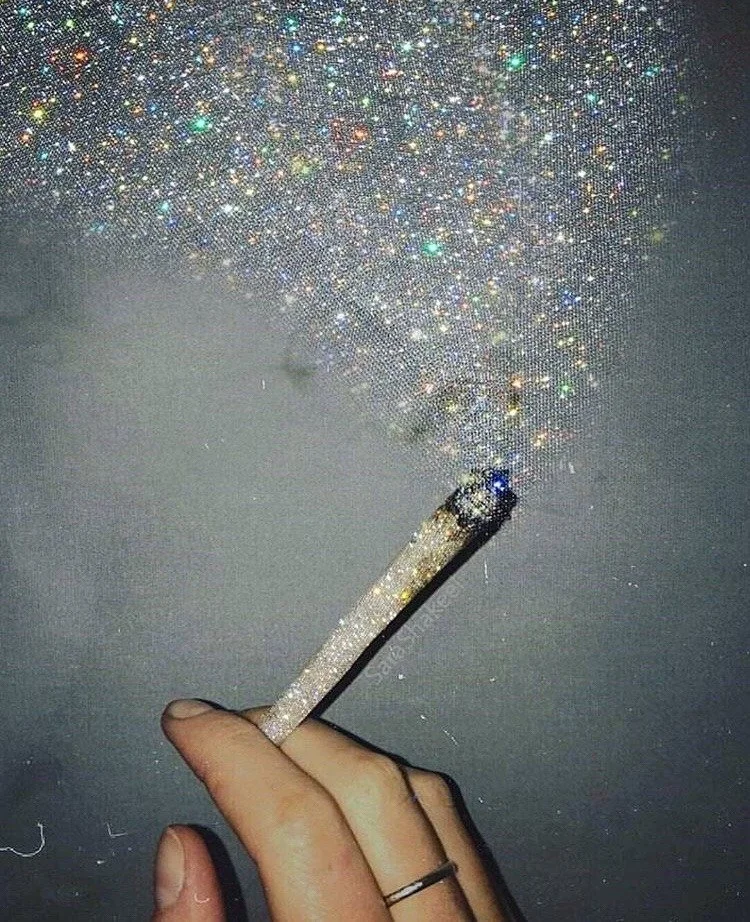
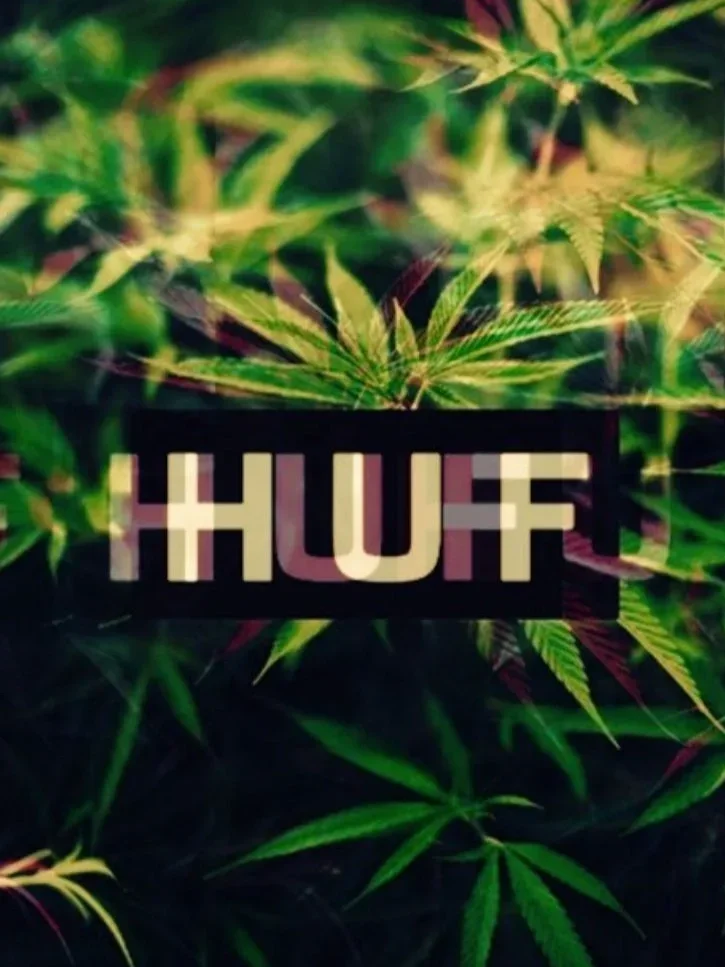
Relics: 2010s Tumblr stoner core.
Before I can dig any deeper, my trip down memory lane is interrupted by the friends I came to the party with, snapping me out of my daze. I thought they had already left, but they were just in one of the bedrooms, devising how to get out of here. I gladly agree to tag along with the other stragglers they picked up among the pile of jackets. We take to the streets of Montreal, the night air nearly perfect, opting to walk to the Italian cafe by day-slash-karaoke bar by night. I participate in drunken remarks but end up lagging behind, maybe too stoned for seamless socializing with new faces.
Leaving the conversation to the more capable, I smile to myself when I notice we’re passing the former apartment of old friends, where years ago, hanging out always meant hotboxing the living room. Where a bike courier from “the service” arrived regularly to deliver “the goods,” lingering in the hallway just a little longer than his job description required. Strains were as simple as sativa and indica, marked with sarcastic stickers: Moe from The Simpsons for Sativa, Brian from Family Guy for Indica. All the while, weed was on the verge of becoming legal in Canada, with rumours bubbling left, right, and centre about where these new Trudeau-era dispensaries would pop up. It all seemed a bit like a joke. We laughed that we would never betray our small businesses.
Meanwhile, the weed guy I’ve been relying on for years has betrayed me: Mr. Vega now only sells by the ounce to keep up with a lack of small-fry demand. I do not want to admit to the amount of acquaintances I’ve asked to split an ounce with me. Moreover, I do not want to admit that I’ve gotten none of them to agree to it.I’ve been a lone ranger, stubbornly refusing to give in to government-certified weed. Many have fallen to the convenience of these sterile, fluorescent counters; many more have fallen to writing off smoking for good because the weed sold at the Société Québécoise du Cannabis is certified deep-fried, a triumph of GMO engineering and guaranteed to glue you to the couch with thoughts that everyone is plotting against you. The only stickers on their packaging are ones that come with warnings. Maybe I shouldn’t be wondering where the stoners have gone, but rather asking what the fuck ever happened to ditch weed.
Instead, at Conca D’Oro, I ask for a Stella and a croissant. The buttery flakes fall onto my miniskirt and then across the floor as I walk over to the guy with a ponytail sitting in the corner, in charge of typing songs into the YouTube search bar. I request “Brooklyn Baby.” He doesn’t give a fuck, he’ll play anything–I could almost think the stoner mindset is still alive and well. So I put my all into I get high on hydroponic weed, hoping it will cast a spell on tonight’s new entourage, charming them into smoking with me. It doesn’t. Still, I oscillate between delayed cheering and zoning out as bodies and mic cords sway to the tune of Bladee’s greatest hits under accidental bisexual lighting. When all the instrumentals blend together, I make my way outside to finish what I started, digging the Tic Tac container out of my oversized bag.
As I fish through the abyss for a lighter, a girl outside the bar offers me hers, not handing it to me but outstretching her hand, thumbing the sparkwheel to light my cigarette for me. Only it’s not a cigarette, it’s my charred half joint, and it takes forever to light again. Embarrassed, I ask her and her friends if they want a hit, a thanks-for-the-light offering. They politely, coolly decline, of course, relaying explanations of how they used to smoke but can’t anymore, weed makes them paranoid now. I shrug—the most I can conjure to explain I can’t relate—and change the subject. The what-do-you-do routine steers us back to more acceptable small talk topics like freelancing and pop-up events and side hustles and deadlines. But the Saturday night ends here: the rest of my posse ends up filing out and mingling with the sidewalk loiterers, and the what-do-you-do answers double as excuses for calling it a night, interjected with “the grind never stops” and ironic half-laughs. Oh, right.
Luckily, after all these years, weed has yet to make me paranoid, just jaded and cynical. So I begin my walk home and try to pick my thinkings up where I left off. Where was I? Ditch weed is no more and the lifestyle it promised me as a teenager no longer feels possible. I guess I should have never derived my optimism for adulthood from the corny content I consumed back then, which was all downstream from its high-point in the late 2000s anyway. Or, shall I pinpoint, 2008. A time when something not so chill happened, actually. Huge recession, major financial crisis affecting all. Economic instability and a desolate job market cultivating a general cultural attitude of just getting by and making the most of what was available. A terrible time to graduate, so they say. I’m no economist, but it feels like, since the 2008 financial crisis was so widespread, so hashtag official, it allowed people to feel more comfortable not taking matters into their own hands. Just dance, it’ll be okay. Just smoke weed, it’ll be okay. When the odds were so determinedly stacked against everyone, it must have been easier to ignore them. Media repeatedly told you it was okay to have nothing figured out and light up, and so the stoner mindset proliferated. What pairs better with unemployment than weed?
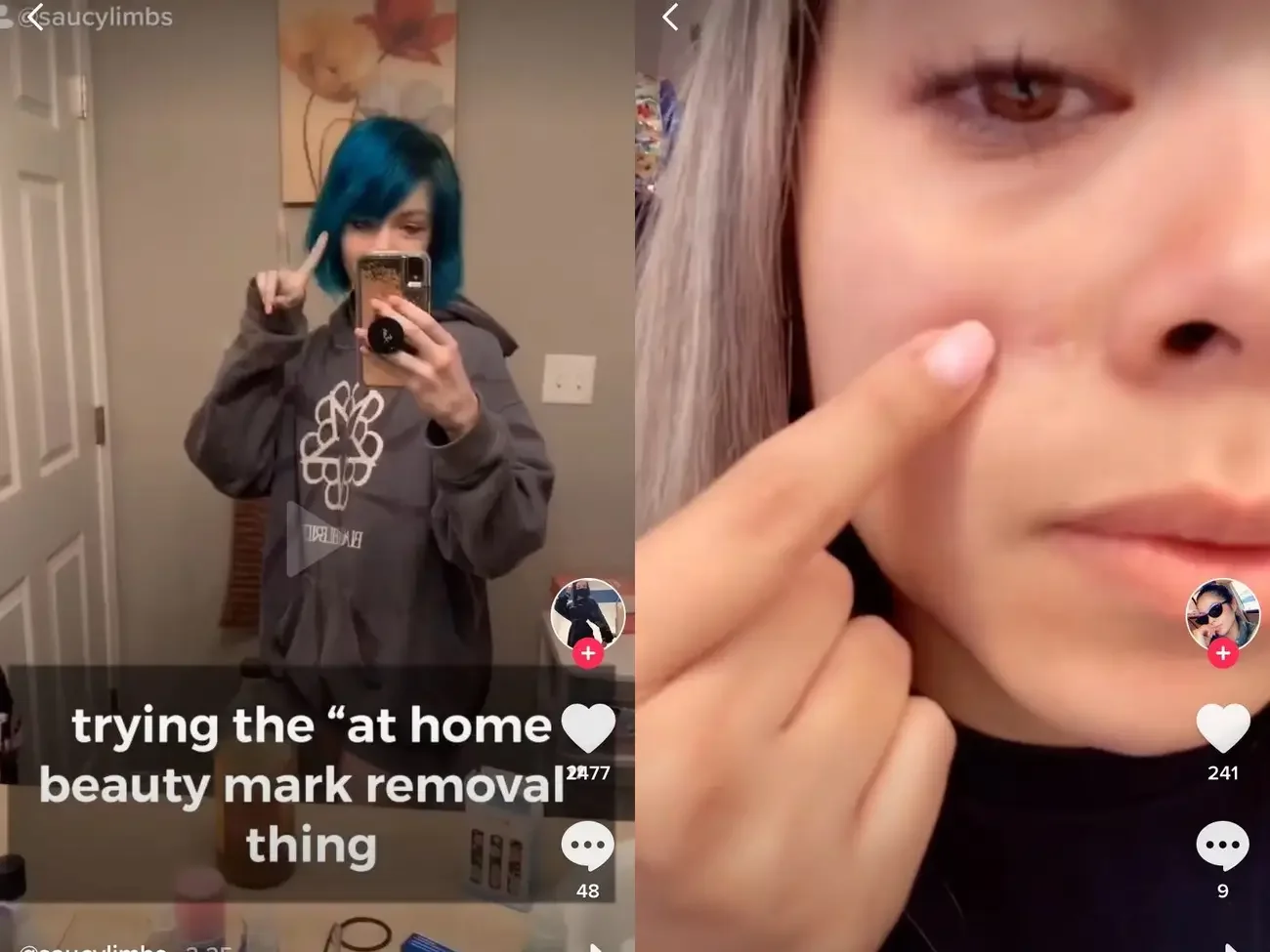
Relics: early-COVID TikTok.
If 2008 was a terrible time to graduate from college, the spring of 2020 couldn’t have been much better. Such was the case for me. I was waking and baking like never before. I bought crop tops from AliExpress that never saw the inside of a bar. I mixed so many chemical products from r/skincareaddiction that I aged my skin, like, 5 years. I made a Letterboxd account. I did everything I could to stave off employment for as long as possible. After all, the crisis-era stoner media I grew up on taught me that being a 20-something with a fresh undergraduate degree meant enacting my finest slacker debauchery. But somehow, even when a global health crisis rendered entire industries temporarily obsolete, the cultural narrative still felt centered on productivity. And in the years that have followed, as we’ve been edging even closer and closer to another recession that still hasn’t come, weed has never felt more utterly uncool. What gives?
My galaxy-brain hypothesis is that now, economic insecurity is not a universal plague, but an issue for the individual. If you aren’t improving your situation by becoming a crypto investor or an online audiobook reader, that’s on you. The stoner mindset, once a cure for our current condition, has been replaced with the hustler ethos and nation-wide shortages of prescription stimulants. When algorithms favour so-called content creators that claim they have their shit together and so should you, where else can the mind wander?
Not to weed, understandably. In this social, cultural landscape that’s more individualized than ever, our quality of life is no longer measured by time spent chilling, but by self-optimization–the road to which, of course, is paved with a premium-tier subscription to late-stage capitalism. Maybe weed being soooo cringe now has less to do with the fact that legalization has taken away all its former scandalous fun: maybe weed is so cringe now because it’s so completely incompatible with the productivity industrial complex (which we can’t fully ever unsubscribe from, by the way, no matter how much weed you smoke, since you’re still going to need to pay your exorbitant rent at the end of the month).
I roll my eyes. It’s a fitting thought to have as I arrive back to my apartment. I start making my way up the winding staircase to my front door, then freeze. That smell… I look up, to the other side of the shared balcony, and recognize my neighbour in a folding camping chair, can of Boréale beer in the cupholder, greeting me under the lighting of the outdoor sconces with a Ça va? and a cheers-ing motion with a bong in his hand.

Floating up along the glass neck of my neighbour’s bong lies a decal of Morty (no Rick). He is wearing a Neon Genesis Evangelion plugsuit. He also glows in the dark. It is simultaneously a piece of contemporary art and it is a compass, marking the seemingly downhill cultural spiral that 2010s stoner-core has taken. Chillwave became vaporwave, vaporwave became Simpsonwave, Simpsonwave became Rick and Morty paraphernalia, and Rick and Morty paraphernalia became…what now? I’m not exactly sure where this compass is pointing next, I just hope it’s somewhere IRL. I indulge with a deep inhale in the rare thrill of sharing weed with another person. I cough—I’m not used to this anymore.
I’m also not exactly sure when weed lost its mainstream magic, anyway. I can only come to so many conclusions on my walks home. I unlock the front door, and commence a late-night version of my nighttime routine: chaotically wiping micellar-water-soaked cotton pads across previously smoky eyes, lazily brushing my teeth, unscrewing my grinder to unearth the mini keef shovel to spoon dust into my pipe since no one wants to split an ounce and I’m out of weed and it feels like robbery to pay $30 for three grams of SQDC green that’s bound to make me nonverbal anyway. Quebec is on their hustler ethos. Seth Rogen now sells ashtrays for $285 USD. So where have the stoners gone? Hiding, like me, in dark, dank bedrooms? If this pending recession is someday declared, will it bring them back into the light? We’ve only been on the brink of it for half a decade, and not even the pretentious luxury fashion e-commerce giants can keep up, but sure, by all means, let’s keep favouring rising and grinding over waking and baking. I wish it was universally accepted, nay, encouraged, to have nothing figured out again.
Until then, I crawl under the covers and dream of a stoner-mindset renaissance. I drift off and dream about throwing out my makeshift Tic Tac storage container and sharing joints with party girls in HUF socks, coworkers, first dates, freelance creatives, waiters on their smoke breaks, dads at the park, DIY venue owners, Facebook Marketplace sellers, Wi-Fi installers, Virgos, and friends on balconies on Friday nights, even.
Reilly Tuesday is from Prince Edward Island, Canada, currently based in London after a decade of meandering in Montreal. Her work has appeared in Expat Press, Hobart Pulp, Currant Jam, The Drunken Canal, and elsewhere, including The Page, a quarterly publication that she founded and edits. @reilliz / @thepage_news
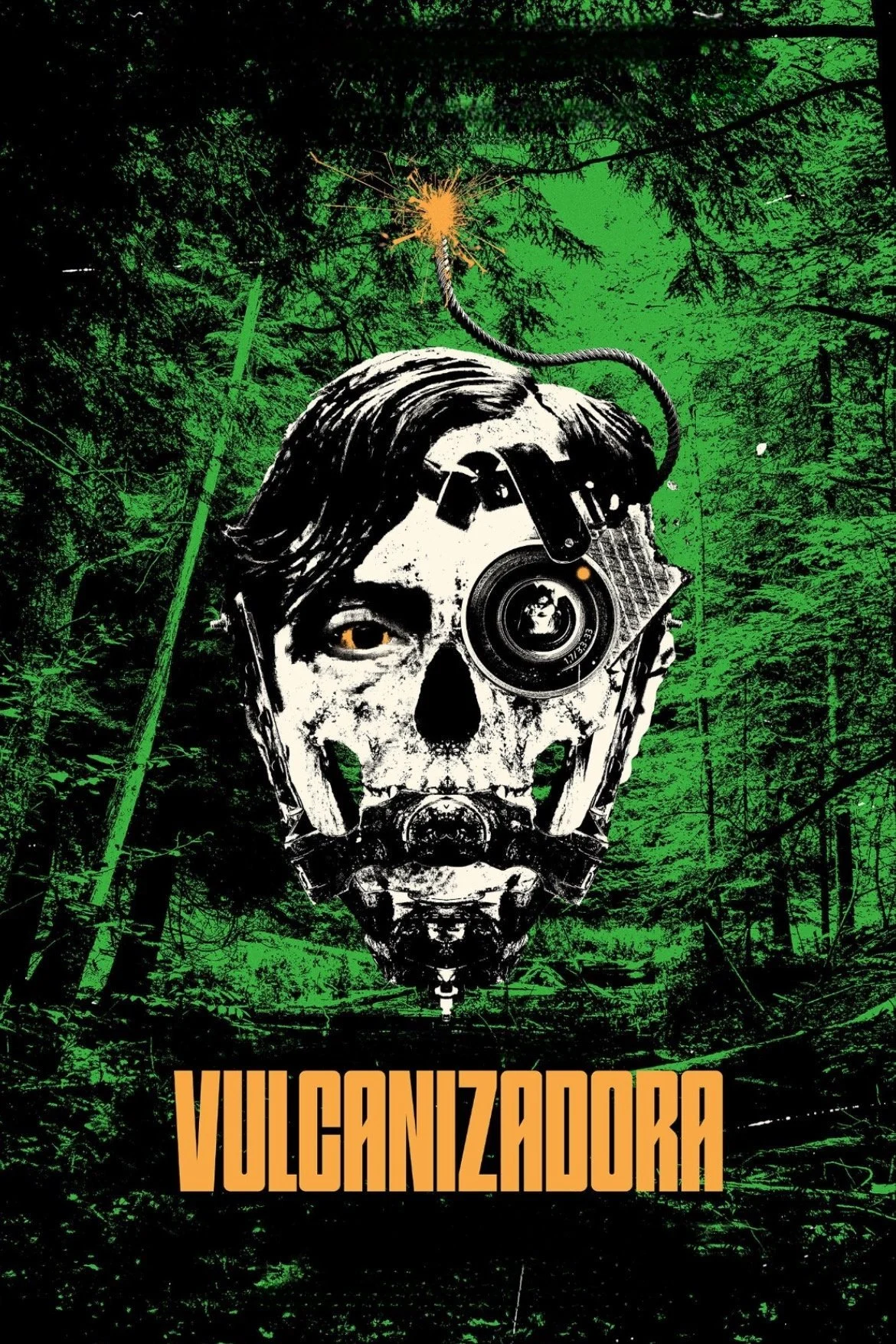

Watched at home on my laptop.
Rewatching a movie about two lonely best friends finally attempting to make good on their suicide pact is maybe not an activity I’d recommend to the normal people in my life, but to the freaks on here who like to feel bad: this one’s for you! And you know what, I’ll probably watch it again soon, too. Marty and Derek are God’s loneliest dirtbags–saddest of all because hey, at least they have each other.
The first time I watched this film, I hadn’t yet seen any of Joel Potrykus’ other work, let alone Buzzard (the first chapter of this story), which I definitely should have watched first. Not that my initial viewing was hampered by that (quite the opposite! I told everyone to go see it in theaters when it got a distributor!), but seeing where this all started gave new color to Vulcanizadora. I had initially described this film as “Cassavetes by way of the opioid epidemic,” which still spiritually makes sense to me, but the words are wrong; maybe“Jim Jarmusch in hell”? Some other director/temporal location Madlibs?
Buzzard came out in 2014, ten years before we meet Marty and Derek again in Michigan ( I’ve decided to go long and thoughtful here, thanks for tuning in). They’re both kind of fuck-ups, though clearly Marty’s a little further gone than Derek. One of the strongest points in both of these movies is Joshua Burge’s performance as Marty. He’s got these beautiful Bambi eyes and lips like fluffy pillows, a head that seems too big for his body and the clumsy limbs of a baby giraffe. He’s a beautiful and sad creature, a kid in a grown-up body. For all the petty crimes he commits to get by, you can’t help but feel for the guy. I have nary a maternal bone in my body, but in Buzzard I wanted to scoop him up and hug him and tell him everything will be okay. Great movie, you should check it out on Tubi!!
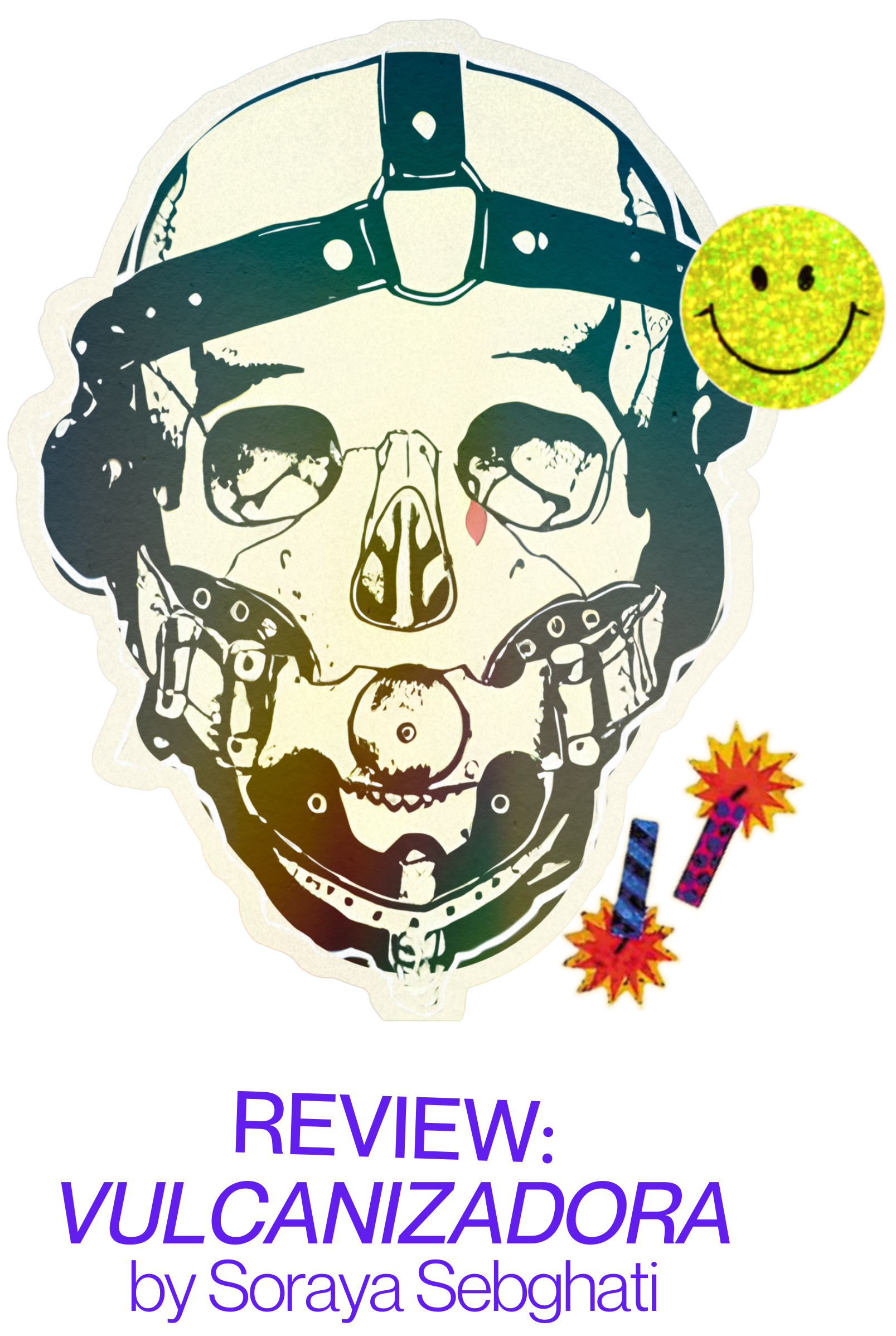
Vulcanizadora picks up in 2024, with Derek and Marty setting off on a camping trip with some vague purpose. The title translates to “tire shop” in Spanish—hence the opening shots of a tire shop burning down. It becomes clear to us that Marty’s the firebug in question, having learned nothing in the preceding years. He’s replaced his devil mask with a devil neck tattoo and traded his youthful shag for a much more severe haircut. But all the years and physical changes can’t hide that wounded deer look in those big eyes. Derek has an even more fucked up beard now, and a much more dad-shopping-REI-clearance-section outfit than I ever could have dreamed of. He’s traded in his business-casual shorts for something more closely resembling a nu-metal geology professor. The only glimmer of youth left is the way he lights up like a teenager and speaks quickly when he’s excited about something (Sidenote: Joel Potrykus is such a great actor, anchoring nearly all the laugh lines and also delivering the most heartbreaking monologue of the entire movie. Didn’t want this to go unsaid!).
The two set off for their as-yet-unknown destination, stopping along the way to do Faces of Death re-enactment gags and to uncover long-buried porno magazines left in the woods. In one haunting scene that I can only describe as “dirtbag opera,” Derek cracks open a glow stick, covering himself in the toxic glow juice, while singing along to “Voodoo” by Godsmack. For a gal like me, this is an eye-opening look into what guys do at sleepovers. I have a list on here of non-dance movies where male characters use dance to express feelings they cannot get out any other way. Where representation for women in cinema has gotten markedly better both behind and in front of the camera, men are still portrayed as living, breathing blockages. At all the girly sleepovers I partook in, giggling would turn into practicing kissing, which would then lead to deep conversations about family secrets and depression between those of us who were still awake, our conked-out friends lying between us in their sleeping bags. It’s much rarer to see a movie where guys communicate Normally. Both Friendship and A Real Pain feature extremely nervy leading performances from Tim Robinson and Kieran Culkin, respectively, and deal with men whose lives essentially break down due to their inability to communicate their emotions effectively. Some recent exceptions would be Nickel Boys and Sing Sing–films where the male characters use friendship and communication to survive heavily racialized, extreme trauma.
The trip takes our duo to a beautiful Midwestern beach, but the beauty we see leads us to places equally as bleak. We learn that Marty and Derek are here to make good on their suicide pact, aided by Marty’s newest creation that looks like it came out of an S&M dungeon (something something turning the petit mort into a Big Death). I know this is a lot of plot talk, but you can’t pull the rug if There Is No Rug.
You’ve got these guys that seem like weirdo dirtbags on the surface, like someone you’d ignore at a diner or a dad you’d keep a weird distance from on the playground, or a guy you’d see at a basement punk show who seems fun and approachable but probably doesn’t have his shit together. A guy where if your friend was dating him in her 30s, you’d tell her he’s fun to drink beer with but you’d harbor the secret knowledge that there’s going to be a big blowup or letdown in the near future (as a friend, your job is not to control her, but to pick up the pieces when things fall apart). All this to say, by all appearances, these are the guys that you know exist, but you probably don’t want to hang around them too much. The moments before the big fireworks show are absolutely grueling, awful-feeling-in-the-pit-of-your-stomach type moments. Derek’s feet are cold before they even touch the icy Midwestern waters. He tries to convince Marty that this isn’t his only option either, but Marty’s dead-set on finishing the job. He knows he’s irredeemable. He’s guilty of burning the tire shop down; he’s not going to get out of this on a technicality. Nothing can or should save him. No boys’ sleepover is complete without Ruffles, Gatorade, and Swiss rolls (even I know this), and the guys continue to talk it out over their final meal. Derek is filled with regret over not being a cool enough or good enough father, and he shares this fear that hell is just a place where you’re sad and nervous forever. That does sound like maybe the worst version of hell I can think of if we’re being honest–compliments to the chef! Maybe the most upsetting part is that after talking it out, he feels better and doesn’t want to go through with it anymore. It’s almost like talking to someone you’ve formed a bond with is good for you….! I won’t go into what happens next, but the horrible sinking feeling doesn’t go away. This suicide-pact-gone-wrong is the Midwest power metal It’s A Wonderful Life, without the “tears of joy”-style ending. One dies, the other doesn’t, and we actually start to see things turn around. When we feel that things are too far gone, there’s often a glimmer of hope on the other side of it all, but there are no do-overs here. This is real.
Potrykus does the right thing by the narrative, too: our survivor doesn’t learn. We have two guys who are obsessed with digging things up that should probably stay buried. A buried porno mag comes out of the mulchy forest floor. God appears out of a hole in a childhood backyard to tell one of our guys that hell isn’t real. A body at rest on a sandy shore is dug up. I don’t know, maybe some guys are beyond saving. But that doesn’t matter! Probably not my place to decide who should kill themselves (except for certain drivers on the 405). I kind of do think that might be the point, though. Mainstream Hollywood tends to beautify everyone and everything. I think what Potrykus does here is more akin to a landlord paint job. You’re obviously watching a movie, but Marty and Derek are Real Guys. They’re a bit off-putting, they look a little musty, and they’re both fucking annoying. These two nasty-ass wastoids won’t make a difference on my little life here in LA, but getting to know them over the course of 100 minutes (3 hours, if you include Buzzard) makes me want to drop everything and meaningfully cuddle them. I probably would tell them both to kill themselves in my Twitter mentions. Maybe I’m the problem? I don’t know. Now here I go, digging an endless hole….
Soraya Sebghati is an L.A.-born-and-raised film critic and the front woman of the local band Night Talks. When she’s not eating ungodly amounts of popcorn at a rep theater or touring with her band, she can be found throwing back gin martinis (with a lemon twist) and taking selfies with her retired racing greyhound. sorayasebghati.substack.com / @sorayaspaghetti
Caroline Anderson is a former TV writer (CORPORATE, Comedy Central; THIS FOOL, Hulu), an AFAA certified fitness instructor out of Los Angeles, a huge k-pop stan, and the owner of a perfect cat. @carolineeand





It’s 2025, and we have no shared concept of the mainstream. This lack of consensus has been creeping up on us since the invention and proliferation of the Internet, but really started to show face this year. Social media? More like personal media: check out The Trust’s Julie Theis blazing the trail from reality show contestant to YouTube psychoanalyst and sometime-soon-to-be thriller star. Filmmakers and musicians are being increasingly pushed towards remakes and sensationalism just to get a little attention: no one asked for another Dracula from Luc Besson. My nervous system is still recovering from Eggers’ Nosferatu. If you were a child in the ‘90s, if you remember Just The Hits! 6, and if you’ve at least some wavering interest in critical theory, then mainstream revival depends on you. On us.
BRING BACK THE MAINSTREAM! I WANT YOU TO MAINLINE REALITY TV!
The mainstream is popular, reliable, digestible, and relatable. The mainstream done right is so human that it becomes undeniable. And right now, reality TV is the closest thing available to a mainstream. Reality TV show producers self-select for adults who will behave like teenagers, reflecting a generation of viewers that are struggling to mature–both personally and culturally.
Being from New Zealand, there has always been a joke that we receive media three years late, and delivered by whale. That may be so, if only because I keep bumping The White Lotus and Severance down the queue in favour of the reality shows – Married at First Sight, Survivor, Vanderpump reruns, Below Deck, Love is Blind. Call me over-committed, but we sure are keeping up with something. Golden Globe nominee Stephen Fry appeared on The Celebrity Traitors this year, marking a cultural relevancy high tide for reality competition shows everywhere (“big dog theory”). The presence of established actors and writers on these shows demonstrates a level of cultural cachet alongside viewership that I have not seen before.
Across the pond, within those placidly furnished rooms with mid-range couches, reality TV is where the newly-therapized go to work it out. Many contestants can recite their love languages, attachment style, boundaries, trauma-stories, walls up, tits out, and an elevator-pitch personal growth arc. And if they can’t? Not good enough. Their match–and their viewers–will hold them to the flame. Picture this archetypal scene from any episode of Love is Blind: an inexplicable Nick says, “We’re done here,” and promptly leaves the room. Cut to a sweeping ocean vista. An acoustic guitar begins to build in the background. A non-threatening male-sounding vocalist exhales, “We’re done here….and I’m walking away now.” #nocouplesmarried
After viewer pushback on the royalty-free, probably-AI-generated music on Season 7, the production team on Love is Blind Season 8 paid to license multiple songs by Jason Mraz, and 28 seconds of Miley Cyrus’ “Wrecking Ball.” The mainstream is characterized by a lack of dynamics at the approximate middle, but viewers are starved for contrast, dynamism, originality, something new. Now more than ever, people need something they can get behind–or against (Love is Blind’s biggest villain ever is keeping the ring).
In the reality TV world of 2025, people are held accountable for their actions. Reality TV used to put contestants on TV, but now they are TV–and baby, do today’s reality stars know it. Their appearance on a show extends beyond the season. ‘Reality star’ is a career, an identity, and a lifestyle with more leverage than an MFA–with notable alumni such as Gabby Windey, Paige DeSorbo, and Hannah Berner.
Part of this loss of the mainstream is because social media has transformed a larger portion of perceived reality into TV. We can’t help that we’re all way more deeply embedded in symbol than we realize, meaning appearance has become more important than experience. If you don't like reality TV, consider that everything you hate about it is in constant companionship to what culture you love. If you’re bringing up outsider theory at cocktail parties, we have lost the concept of what the mainstream is. You could even go so far as to say that underground today is, simply, unsuccessful. It’s time for the counterculture to syndicate and adapt to an audience that has been trained on social media and reality TV.
Now: how to take back the mainstream.
EDITORIAL INTRODUCTION


Love is Blind season 9.
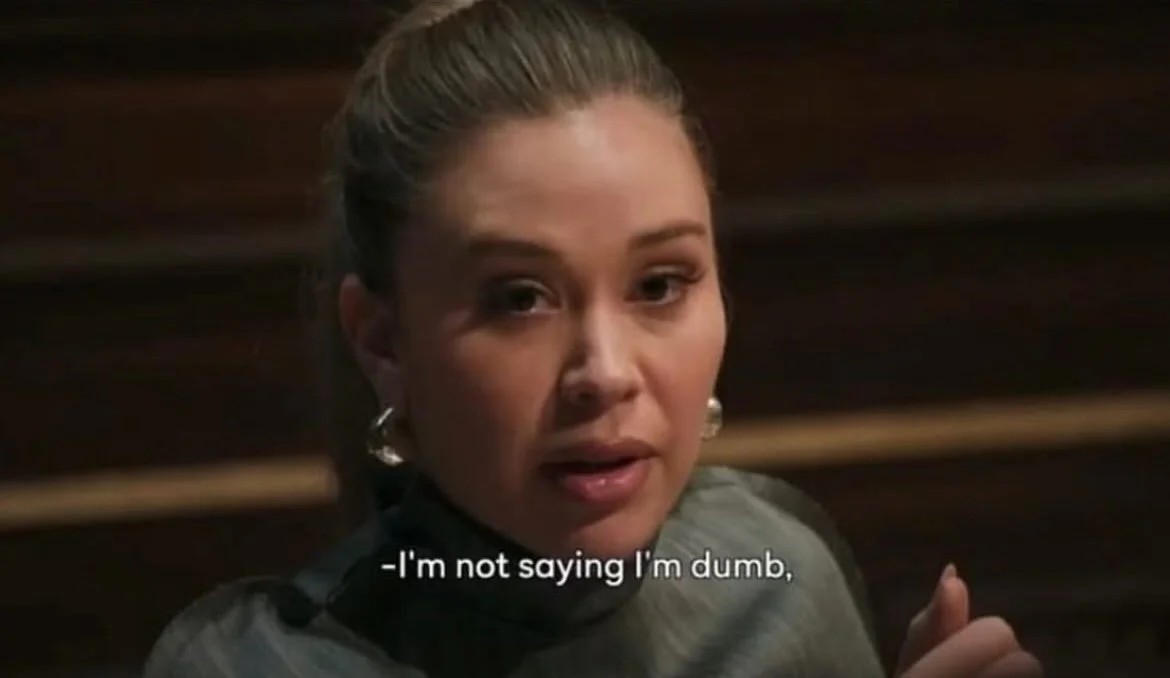

The Traitors US season 3.

Love Island USA season 7.
THE FOUR PRINCIPLES OF SUBVERSIVE MAINSTREAM REVIVAL (SMR)
Don’t just beg, borrow, and steal – syncretize. Let things rub up against each other and make something new. Rosalía took this principle to the extreme this year, singing in 13 languages across her fourth studio album, Lux. If we want the mainstream, we’re going to have to cross-pollinate and take creative risks. More than one time. Collaborate with people you disagree with.
1: Resist the loss of convergence.
2: Consider all the world like they are your family.
The mainstream is a collective project; this means it asks you to take on the world. You’ll have to think of the famous people, the viewers at home, and everyone in your algorithm like part of the family (a bit annoying and oddly inescapable – even through emancipation).
3: Go for your dreams with a little tummy flip.
It’s okay to want to be successful. Remember, high-quality, popular programming stands to strengthen the counterculture, and vice versa. Drive around with your arm out the open window with a mild ciggy hangover (cigarettes are cool again). In music, looking at the composer or lyricist credit is a great way to see who is maintaining some creative integrity while making work that’s fit for consumption. Center self-determined excellence. Become the authority on your own taste.
4: Slower than a snail, wider than a whale.
The mainstream doesn’t have to be defined only by what is palatable; it can also be defined by what is good. When I think of the mainstream, I think of the film American Graffiti, which came out in 1973, the same year as Alexander Jodorowsky’s film The Holy Mountain. To me, this perfectly shows the appropriate tension between a monoculture and its counter. American Graffiti was set ten years before it was released. The mainstream should reflect back to us what was happening ten years ago. We can’t stay seventeen forever: culture needs a responsible adult. Give the future something to push against.
Kerryn Lyes is a writer, researcher, and luminary based in Christchurch, New Zealand. kerrynlyes.com / @kerrynlyes



Fiona Hansen is an LA native with a penchant for oddities, from fire breathing to haunted antiques. @feowna
Gelée was created and edited by AC Lamberty, with editorial assistance from Marie Marchant, Brooke Metayer and Emily Ann Zisko.
Copyright © Currant Jam 2025.
