

Three Years of the Los Angeles Festival of Movies, an Indie Filmmaker’s Third Place
Editorial by A.C. Lamberty
The search for the true “third place” in present-day Los Angeles has been lamented by the community, meme-ified, and used as a marketing tool for crumbling WeWorks. Where can we gather beyond the home and the workplace that is actually widely accessible, designed for creative interaction and will reliably be around next year (RIP Taix)? Third places, at least by their stripped-down sociological definition, are meant to be anchors of our communities that bridge a gap between personal life and commerce––but one could argue that the “third place” has become a marketing tool in a stratified L.A., with everything from WeHo gymstaurants to fraught DIY wrestling shows co-opting the language of community and connection, and disappearing as quickly as they spawned.

The film festival scene in L.A. is no different, especially with the local losses of OutFest and Film Independent’s Los Angeles Film Festival.
With American independent festivals ballooning to unsustainable sizes and underwritten by perhaps-unaligned corporate sponsors (will we see you at the Palantir Lounge this year?!), the "festival experience" has itself become a third place marketing tactic, sold to filmmakers and audiences as opportunity and community while rarely delivering on either. Where can the exciting, experimental voices of independent film exhibit their work in a way that feels valuable in today’s frighteningly commercial film market—and, within the L.A. third place conversation at large, where can Angelenos hungry for new, interesting work congregate year over year?
While we may be in a bit of an archival renaissance in L.A., getting a new indie film made and seen is more challenging than ever.
The Los Angeles Festival of Movies (LAFM) might be the closest answer L.A. has to the question of where, even if just annually, independent filmmakers and their audiences can actually, authentically connect.
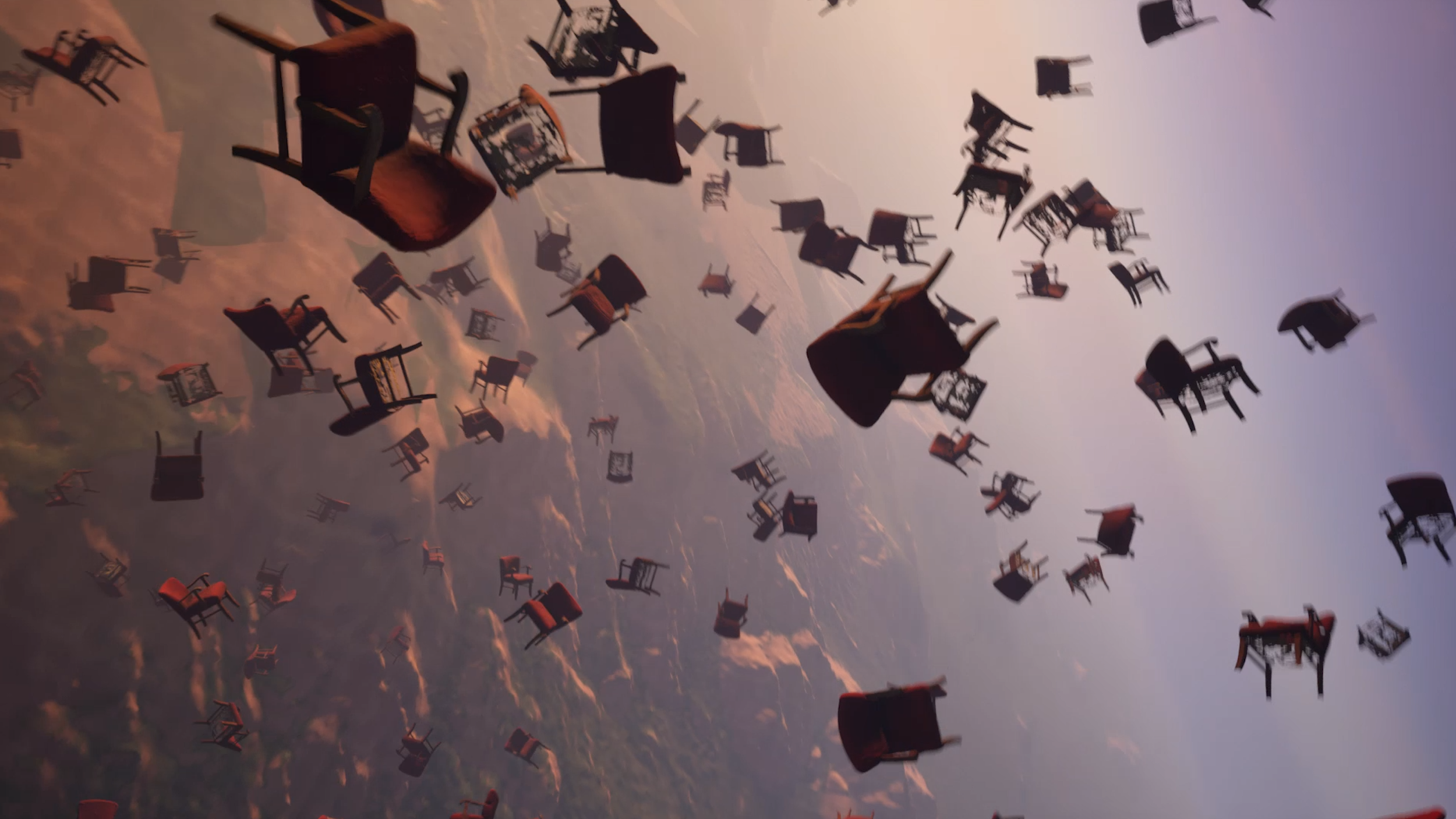
An Impossible Address by Suneil Sanzgiri
PART-TIME SHORTS block 2
Now in its third year, LAFM is a curated annual film festival showcasing new independent and restoration premieres to a local audience—in other words, a community-oriented festival that delivers on the promise of third place inclusiveness and creativity. “Four years ago, Micah and I talked about our frustrations with the landscape of what screening options there are for independent and weirdo movies,” said Sarah Winshall, LAFM Co-Founder & Festival Director and independent producer. Coming off of producing Amanda Kramer’s third feature film, Give Me Pity!, Winshall felt particularly stymied by exhibition options in L.A. The film had screened successfully in other cities, capitalizing on arthouse exhibitions and audiences in a way that felt glaringly absent in Hollywood. “We started talking more about what was missing in the landscape in L.A., and one of those things was a place for big, festive premieres for films that like, aren’t so genre they would land at BeyondFest, or that weren’t so queer they would end up at OutFest.” Shades of that secret third thing.
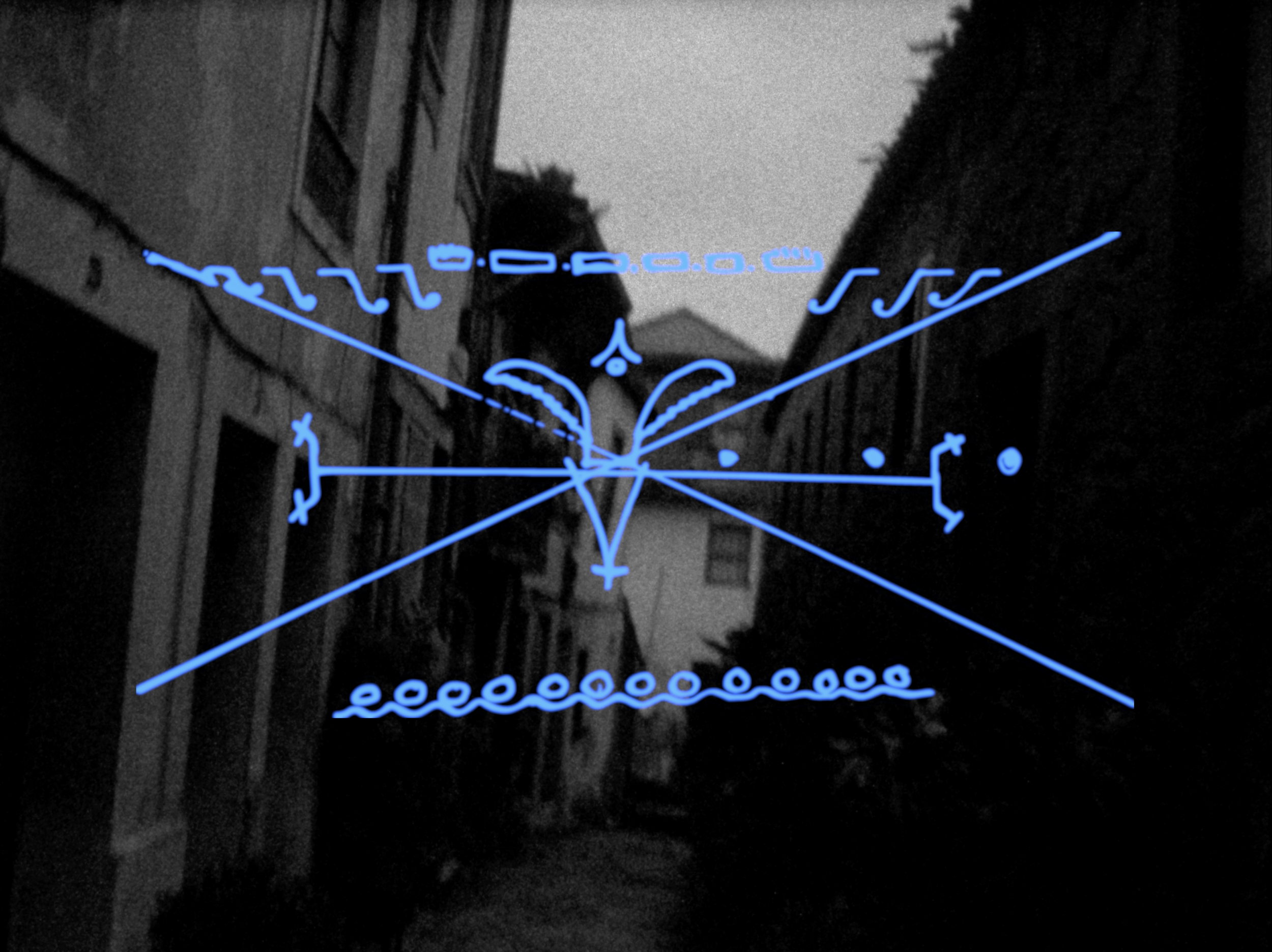
The Early Sun, Red As A Hunter’s Moon by Adam Piron
PART-TIME SHORTS block 2

LAFM Co-Founder & Artistic Director Micah Gottlieb, who also serves as the Artistic Director of the independent film screening series Mezzanine, said that in addition to lacking a real regional festival that provides meaningful, targeted exhibition, L.A. also lacks opportunities for audiences to interact with cinema as an art form. “L.A. is obviously where the commercial Hollywood film industry is located, and that colors so much of the conversation around movies here. In cities like New York and Paris, there’s more of this sense of cinema as an art form on the same level as literature, fine art, opera. In L.A., you have the studio film industry, and you have the art world, which is thriving in its own way, but there aren’t many spaces for those two worlds to meaningfully intersect. We really get to be part of this burgeoning scene in L.A., where you have the same kinds of audiences that go to gallery openings and poetry readings also going to arthouse film screenings. We wanted to capture that audience and orient them towards all the incredible things that are happening in independent cinema right now.” By design, filmmakers and audiences get an incredibly thoughtful experience at LAFM. Besides the weekend’s slate of screenings, most of which include filmmaker Q&As, the program includes several artist talks and panels, a vendor market featuring hyper-local goods and publications and nightly parties open to the public.
You’re not just using your AMC A-List pass to see a movie and drive home from Burbank; LAFM offers a holistic, celebratory environment that connects the best in L.A.’s fine art, literature, music and cinema scenes well after your screening ends.
In this spirit of gap-bridging, LAFM’s film programming seeks to premiere unexpected indie work across narrative, nonfiction, feature, short, premiere and restoration formats. Highly curated and assembled by LAFM and Mezzanine’s respective advisory boards, Gottlieb and Winshall feel that the festival has gotten into a programming groove in its third year. “We’ve done this three times in a row, and what we’re finding is that we want to create a program that is really well-rounded: you can come see three movies, and one will make you laugh so hard you pee your pants [AUTHOR’S NOTE: Maddie’s Secret], one of them will make you cry a lot [AUTHOR’S NOTE: With Hasan in Gaza], and one of them will really challenge you [AUTHOR’S NOTE: the whole Presidium Overactive shorts block 🔥], but they’re all in the same world as far as artistic practice goes,” said Winshall.
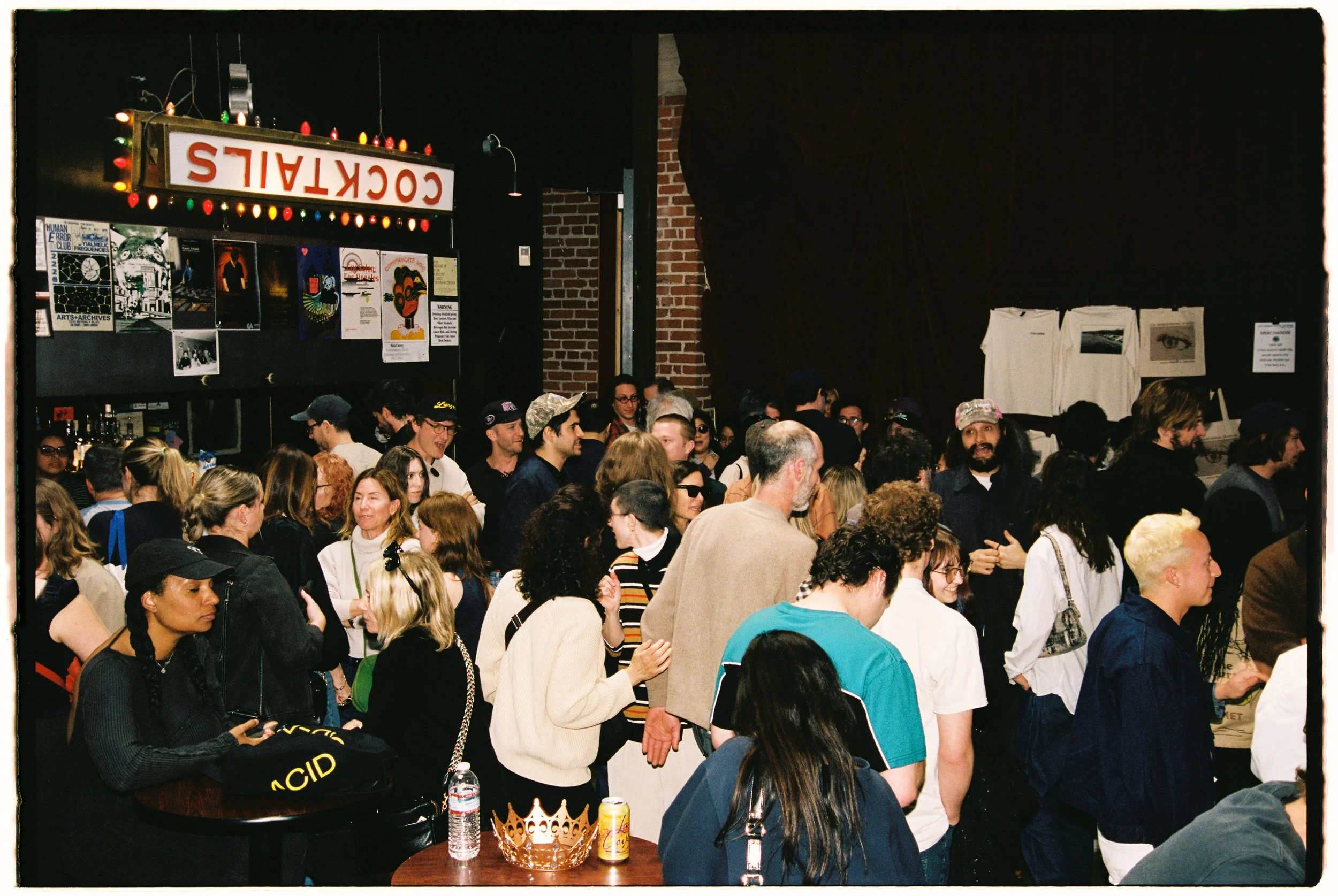
Gottlieb and Winshall hope for LAFM moviegoers to “take risks with the films they’re seeing this year and make the connections between these very different, but similarly passionate, independent films.” This year, program highlights include the opening night U.S. premiere of the aforementioned Maddie’s Secret from L.A. comedy icon John Early; West Coast restoration premieres of 1978’s Shades of Silk and 1988’s Macho Dancer; three vibrant shorts blocks spanning genre and medium; and the world premiere of Drinking and Driving from Canadian microbudget cinema wunderkinds Avalon Fast and Jillian Frank.
The actual third places that make up LAFM are just as important as the cinematic span of the festival’s program. The festival venues represent a new wave of active, avant-garde exhibition spaces in L.A. that are already fostering community––beloved local venues north of the 10 including Vidiots, NOW Instant Image Hall and 2220 Arts & Archives have become hubs for indie and experimental film lovers in L.A., with robust screening calendars of their own outside LAFM’s festival weekend. “All the venues that we’re working with, other than the Philosophical Research Society, are venues that did not exist before COVID and are doing incredible things,” said Gottlieb. LAFM is well-positioned to tap into the growing legions of filmgoers regularly attending screenings at these spaces, and bring them out for a weekend of connective programming.
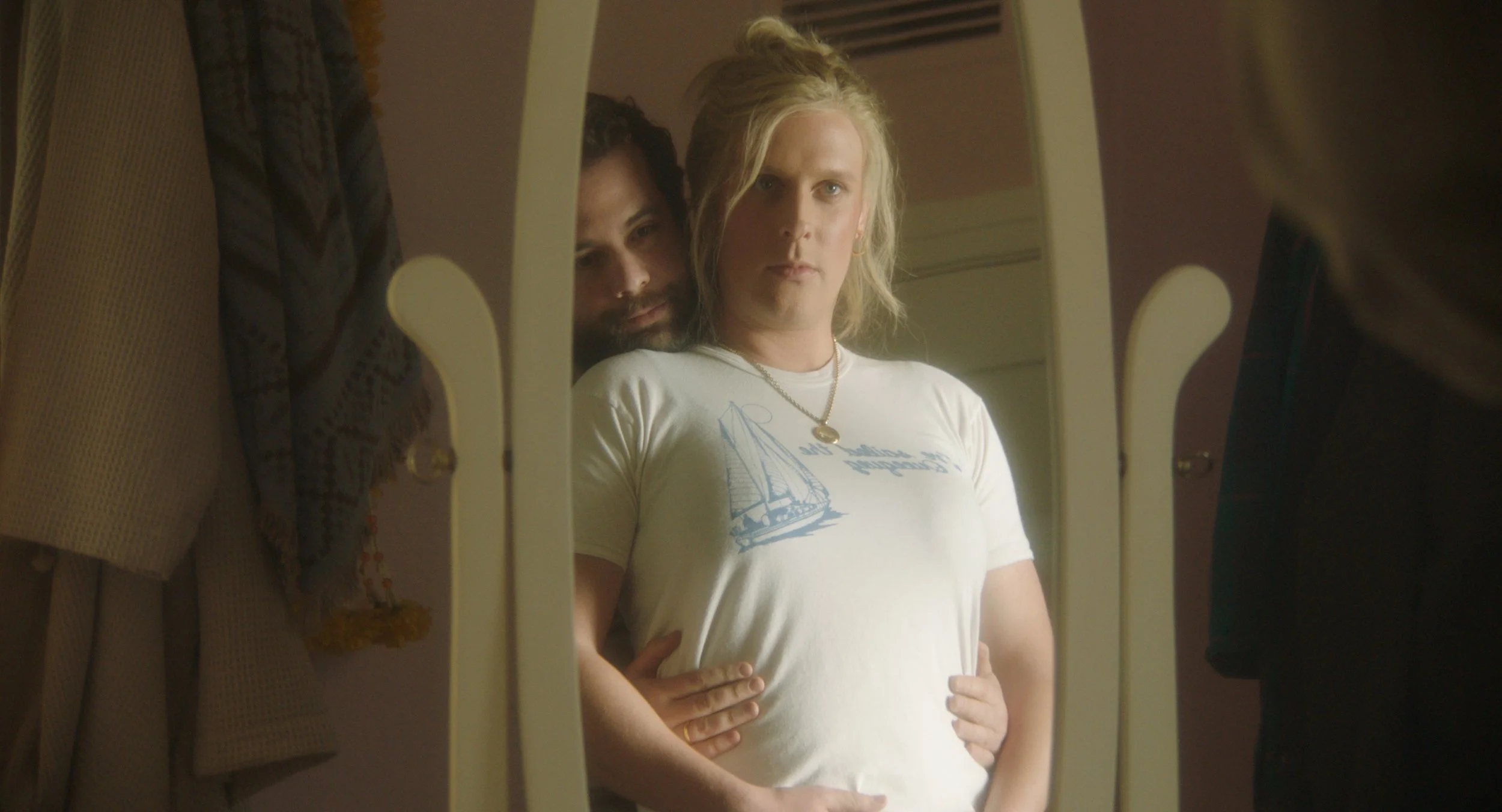
Maddie’s Secret by John Early
98 minutes
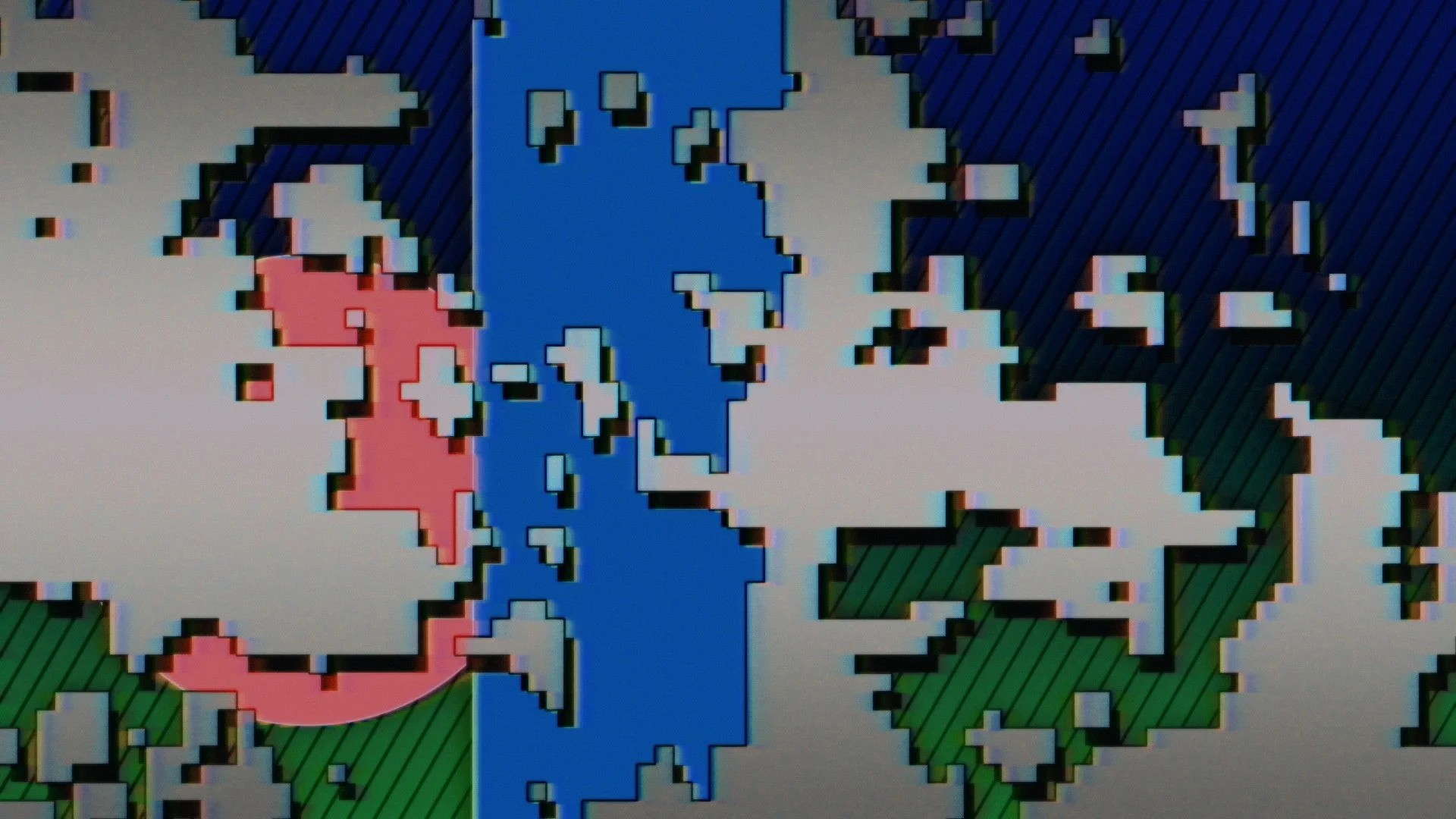
Acetone Reality by Sara Magenheimer, Michael Bell-Smith
PART-TIME SHORTS block 1

Drinking and Driving by Avalon Fast, Jillian Frank
106 minutes

As indie filmmakers struggle with the gulf between production and distribution, and as many major film festivals are now unable to deliver on promises of market sales, LAFM is looking to provide tangible, ongoing opportunities for the artists in the festival program to promote their films. “As a producer and in general, I would like to see more resources to empower and support filmmakers of these fun, special, oddball features as they have to self-distribute more and more. The traditional release strategies just aren’t going to serve them,” said Winshall. “In ‘the old days,’ you made your movie, and then you handed it over to somebody who was an expert. But at this point, the people who are the experts on how to release their movies are the filmmakers themselves. Self-distributing takes a lot of work. It takes a lot of resources. It takes a lot of bandwidth from the filmmakers themselves.” To that end, LAFM is partnering with new grassroots distributor Video Store.Age (spearheaded by veteran Sundance programmer and LAFM Associate Director of Programming & Operations Ash Cook) to offer any filmmaker programmed in the LAFM lineup an alternative release via Video Store.Age’s “humanistic, hand-to-hand distribution,” complemented by eventized ways to gather and connect with audiences.
Ideologically, LAFM asks some refreshing questions: what good are film festivals as spaces for connection and collaboration if they aren’t inviting, convenient or principled? Are film festivals sponsored by major corporations with a program consisting of studio releases really an effective (or even accessible) space for indie filmmakers to exhibit? The festival seeks to answer these questions with a set of values that reach beyond a “social impact” tab on a website. On a macro level, LAFM parted ways with presenting sponsor MUBI in September 2025 due to the streamer’s involvement with venture capital company Sequoia, which has invested in Israeli military technology amid the Gazan genocide; on a smaller level, LAFM has introduced other accessibility measures this year, such as festival childcare for moviegoing parents provided by Cinecamp and generally affordable ticket and badge pricing.
“What’s the point of having a festival if the filmmakers that you want to play don’t want to play your festival because they’re frustrated with who your partners are? What’s the point of having a festival if all the people that you want to come out to a film happen to be parents, and they don’t have a babysitter?” said Winshall. “These are basic things in my mind that make something worthwhile.
Our team is small; Micah and I do this in a truly labor-of-love capacity, as do the 15 other people who work with us on this festival. I’m constantly asking people, ‘How was it? How was the ticketing system?!’ to make sure we’re not dissuading people from participating, for reasons big or small.”
In a city–and film festival landscape–where the vocabulary of “community” and “gathering spaces” has been warped, LAFM strives to make the L.A. indie film world feel like something real, warm and exciting. Even if just for one weekend a year, LAFM is a genuine third place–an honor proven by its growth and goodwill in the community.
"We want people to feel like every aspect of this festival is intentional," said Gottlieb. "We want to retain the trust that we've been so lucky to build with this community, and keep that going as long as we can."