

Mr. Pearson's Coming to Town
Editorial By Lucas Murphy
Watching Mr. Pearson
a film by Dillon Bentlage & Simon Kienitz Kincade
photography by Adrea Nayeli

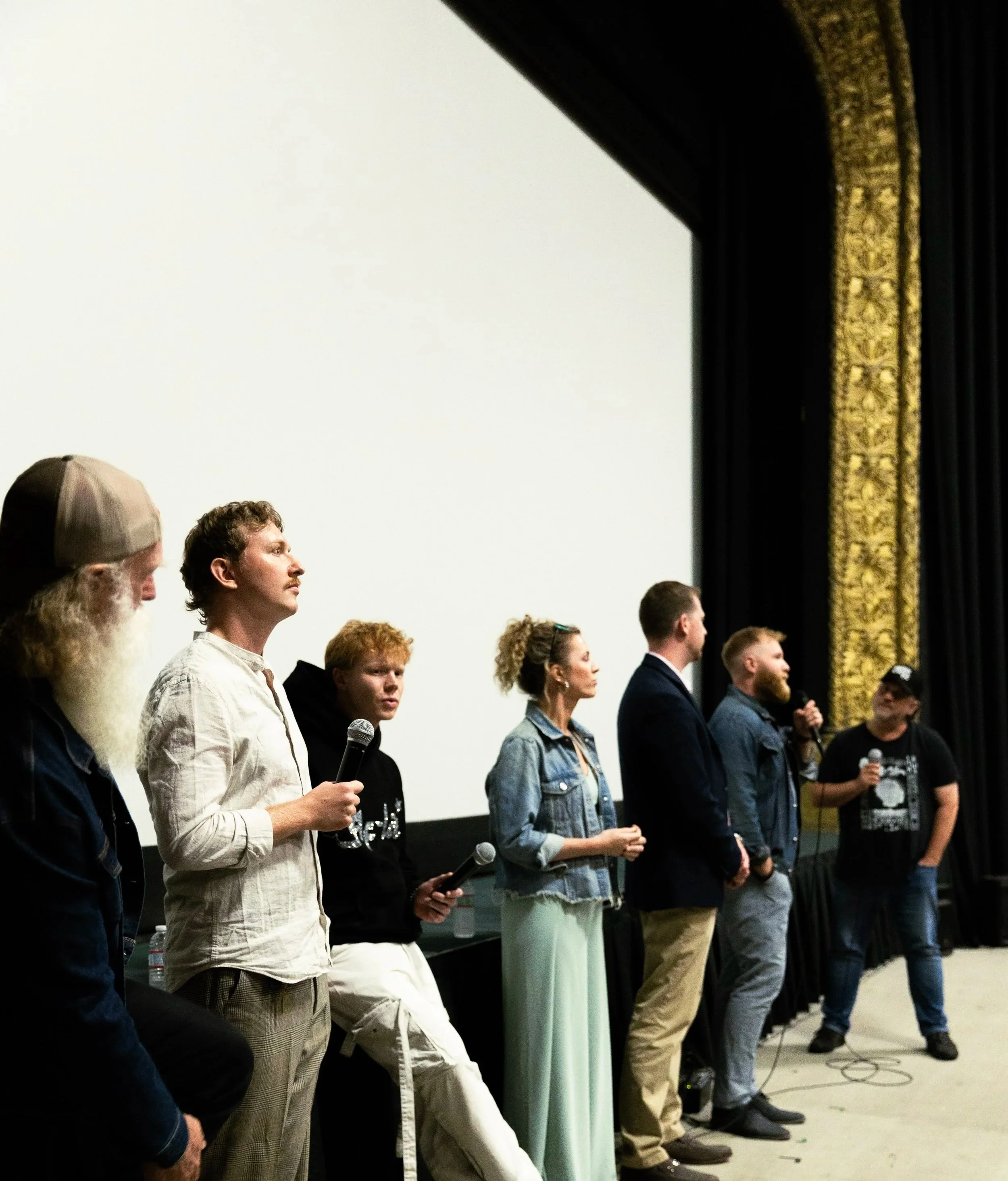
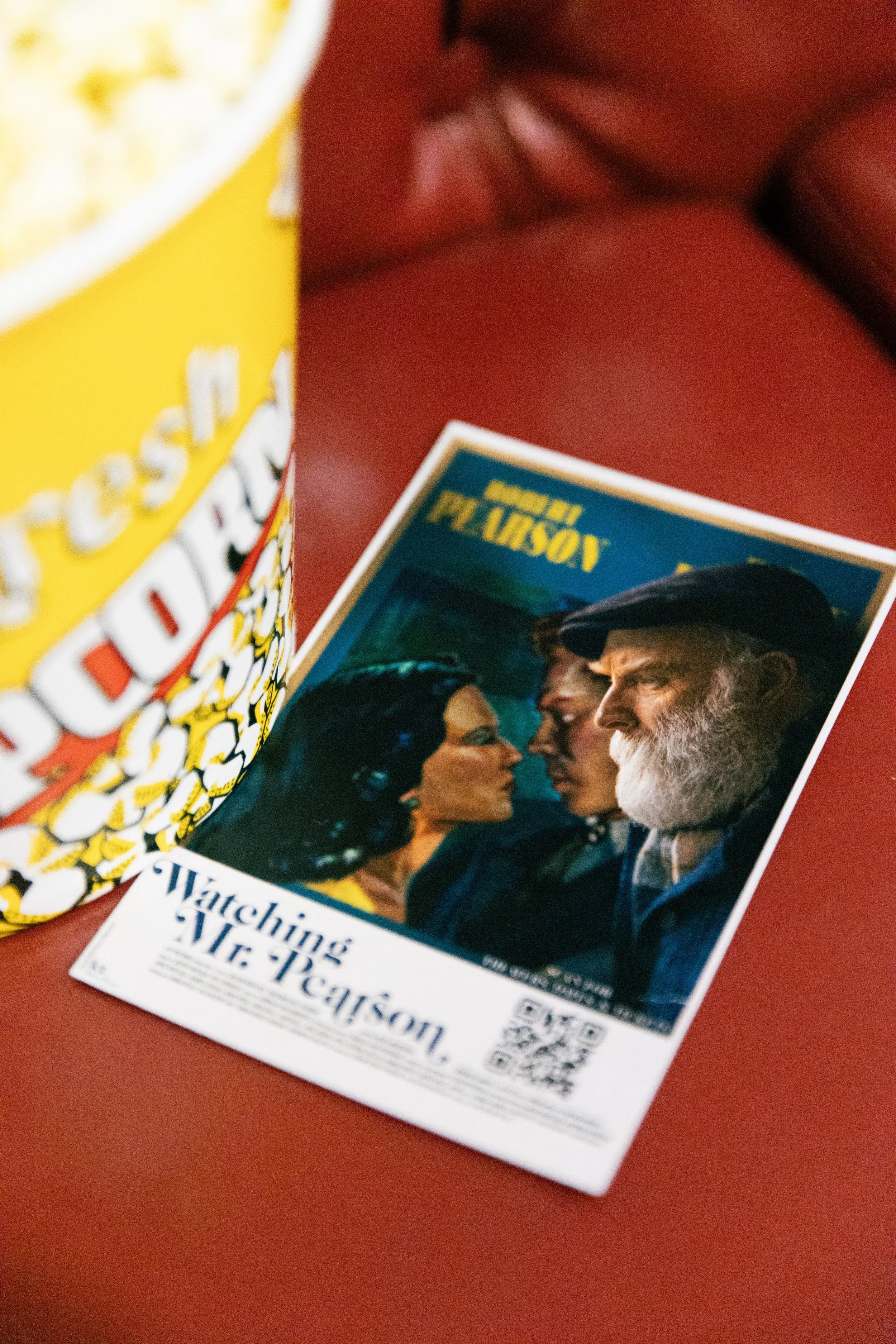
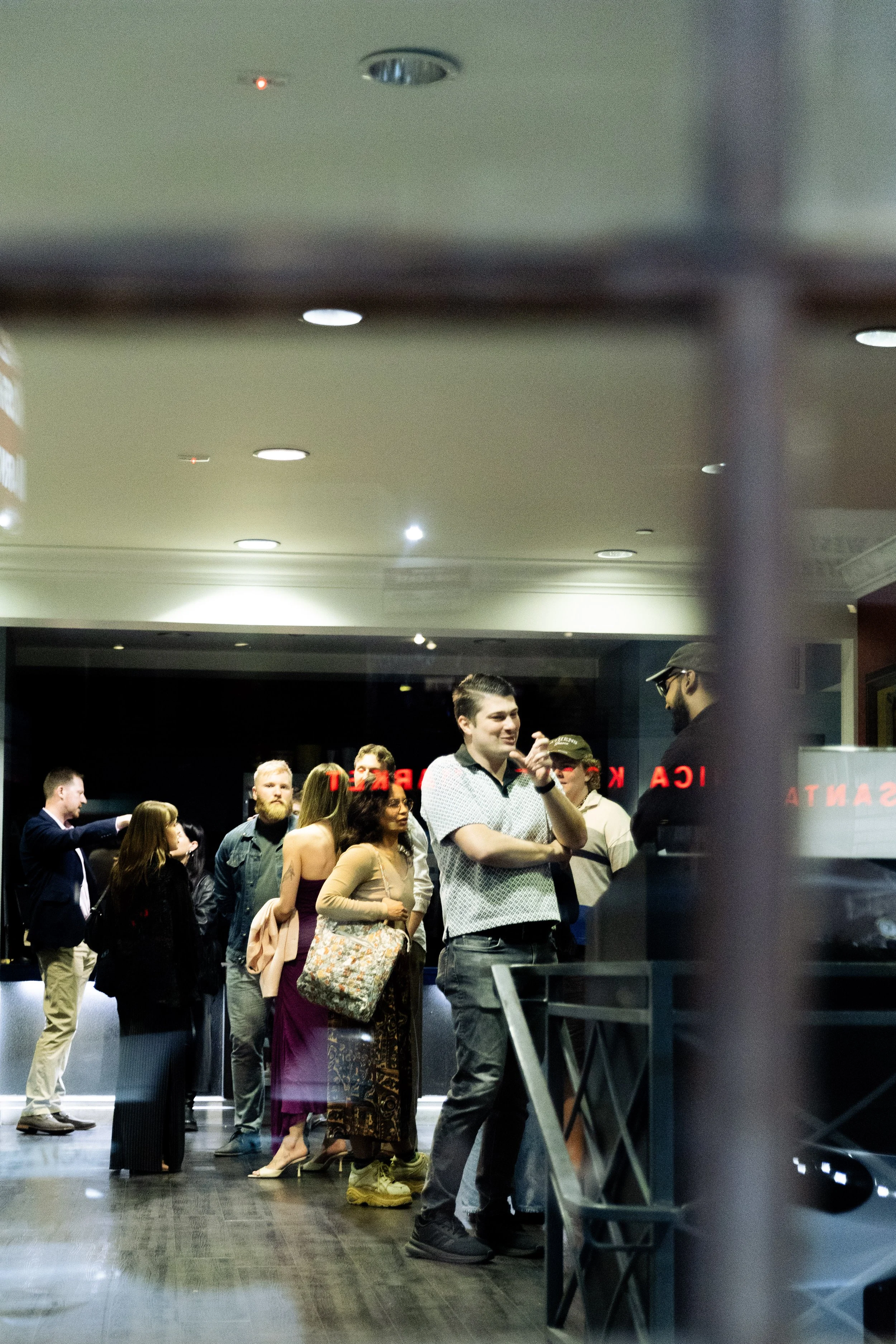
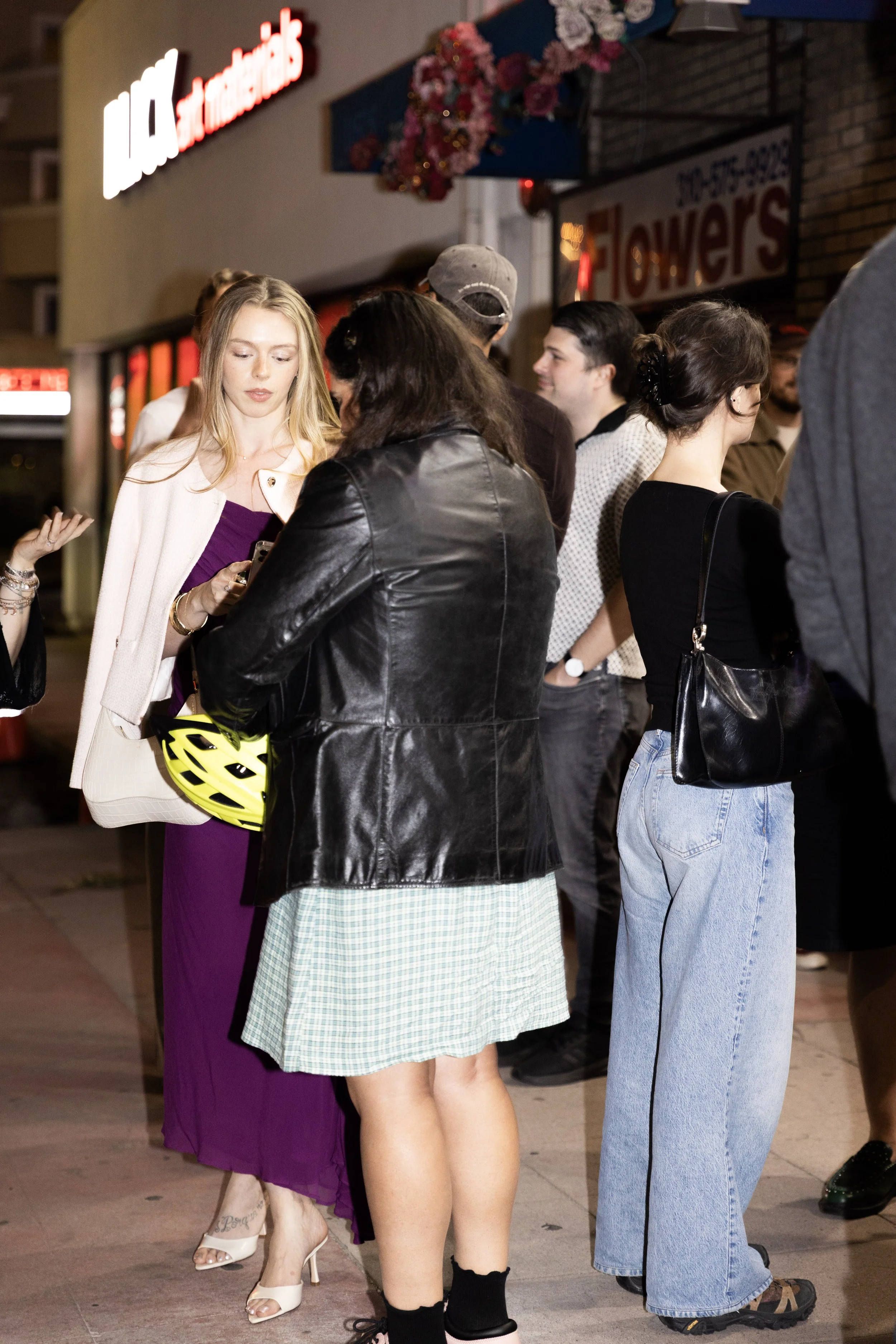
On a balmy Saturday night in the San Fernando Valley, a crowd of moviegoers huddles outside a theater, picking up tickets, ordering popcorn and filing inside. No, they are not here to use their AMC A-List to watch the latest studio release. They are attending the two-night only Los Angeles run of Watching Mr. Pearson, a new feature film directed by Dillon Bentlage and written by Bentlage and Simon Kienitz Kincade. Starring Hugo Armstrong and Dominika Zawada, the film follows Robert Pearson, a former Hollywood leading man, now battling dementia, and his caretakers who begin to reenact scenes from his films to help him regain his mental acuity.
Unlike traditional theatrical runs, organized by faceless distributors and scattered across the United States in hundreds of increasingly run-down chain marquees, the team behind Mr. Pearson chose a new tactic, one increasingly popular in the indie film space: a roadshow format, organizing bespoke one-by-one screenings across the country.
So far, the team has traveled across over a dozen states in two months, with plans to hit most major markets by the end of the year. The tour has taken far
more work than a traditional release, requiring members of the cast and crew to travel to each city. With boots on the ground, they then begin distributing fliers, cards, coasters, and going to local bars and cafes to connect with community organizations. They have nearly gone so far as to sell tickets by hand.
To understand their unconventional, highly personable distribution approach, I sat down with Simon Kienitz Kincade, who walked me through the film's inception. “Dillon had been reading about actors who had had dementia late in their lives, after they were out of the public eye, like Sean Connery or Gene Hackman. I was in the middle of helping my grandfather, who had been struggling with Alzheimer’s for the last nine years, so the idea was immediately very personal. I started reading actors’ Wikipedia pages and seeing this phenomenon where the last thing deemed ‘culturally significant’ happened ten or fifteen years before their death. So we started from; ‘what does life look like for the person who we’ve collectively deemed is no longer doing anything of note?”
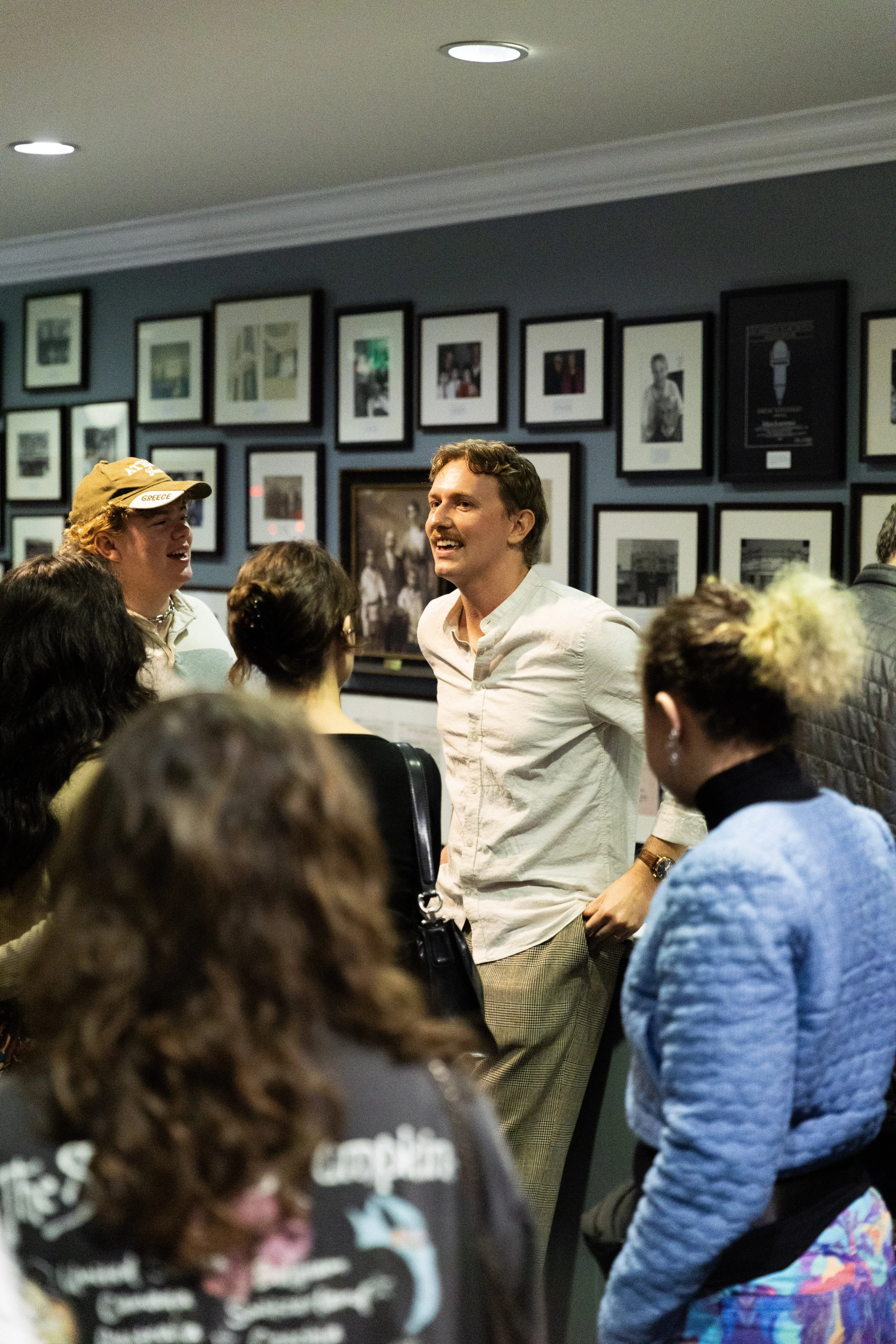
pictured center - Simon Kienitz Kincade
From there, Kienitz Kincade and Bentlage fleshed out the story and envisioned it as their first theatrical feature (though Dilettantes, an early feature they wrote and produced during college, can be seen on Tubi!). Kienitz Kincade said, “Watching Mr. Pearson was even smaller in terms of budget and scope when we started. But when we started casting, and started getting a lot of interest in the project, we decided to be a little more ambitious. It’s crazy how effective it is to just kind of posture and pretend you have things more together and you are more legitimate than you actually feel. There’s a phrase that feels true about independent film financing: if you ask someone for money, you’ll get advice; if you ask someone for advice, you’ll get money.’
But getting the money and making the film was only half of the equation; finding an audience was just as difficult. Kienitz Kincade’s biggest regret? Not thinking about distribution before the film entered production. “We finished the film and just started submitting to festivals, and we were kind of thinking like ‘okay, we’ll get into the festival and then things will just start to happen’, but then that didn’t really happen, and we had to build a whole plan from scratch.”
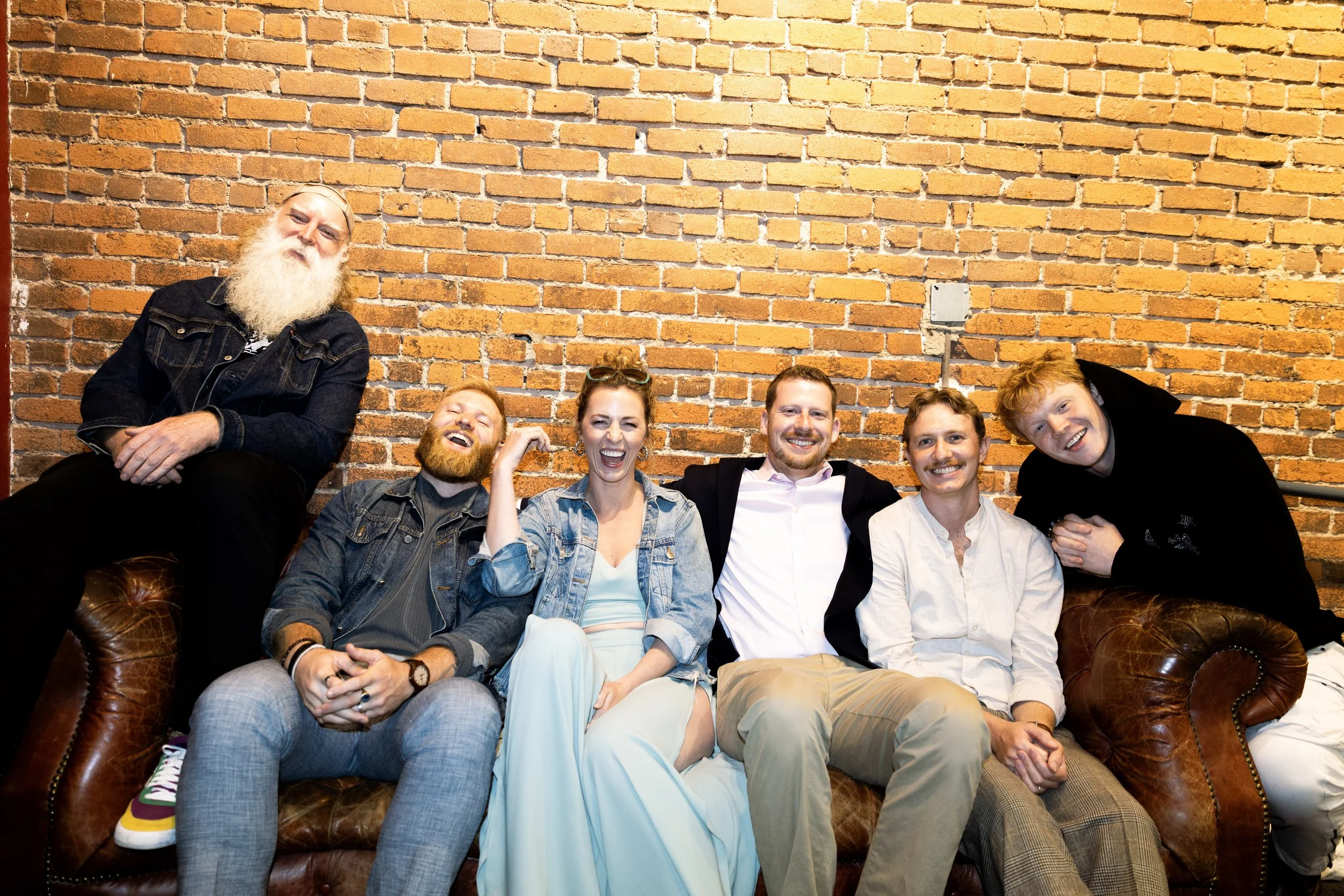
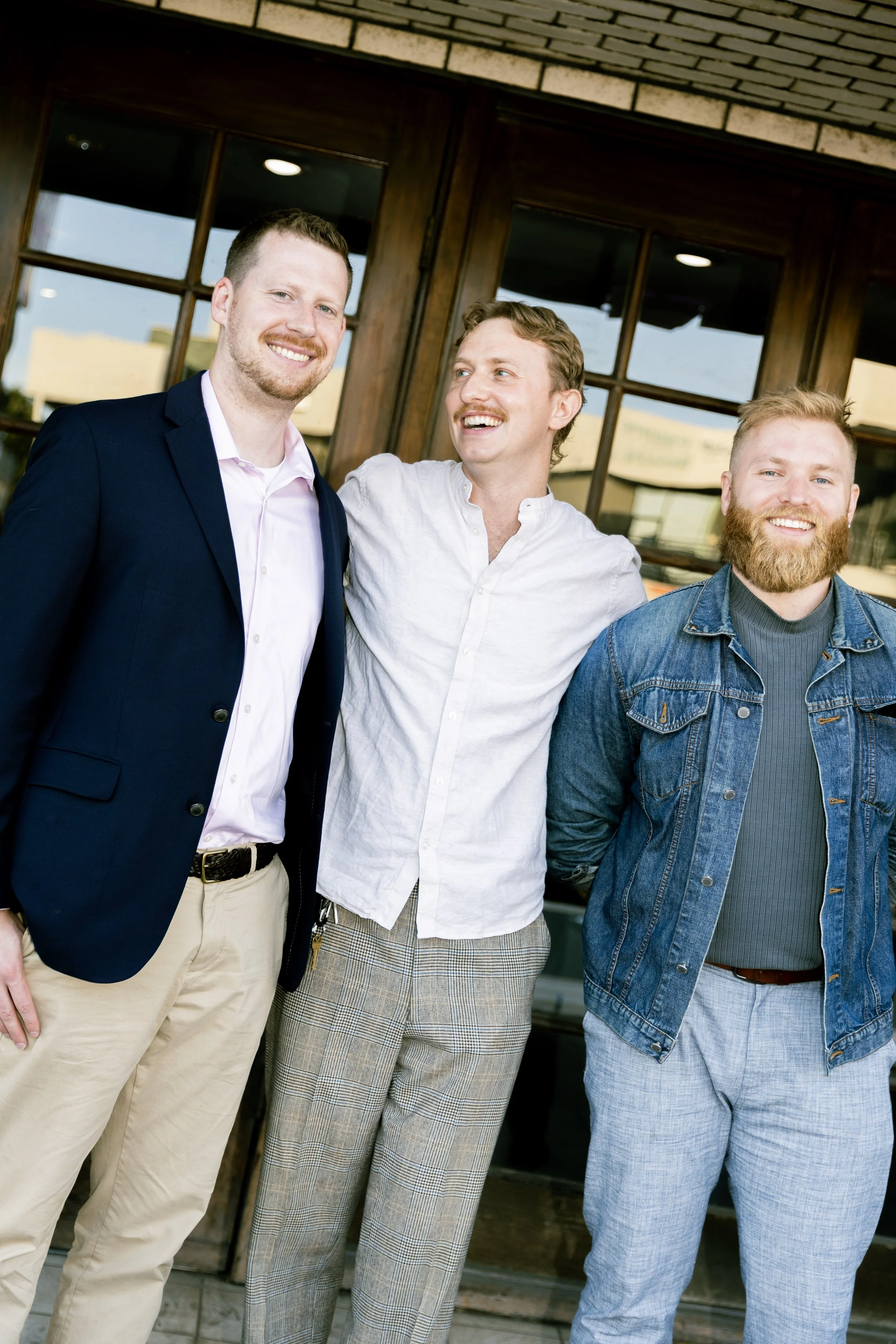
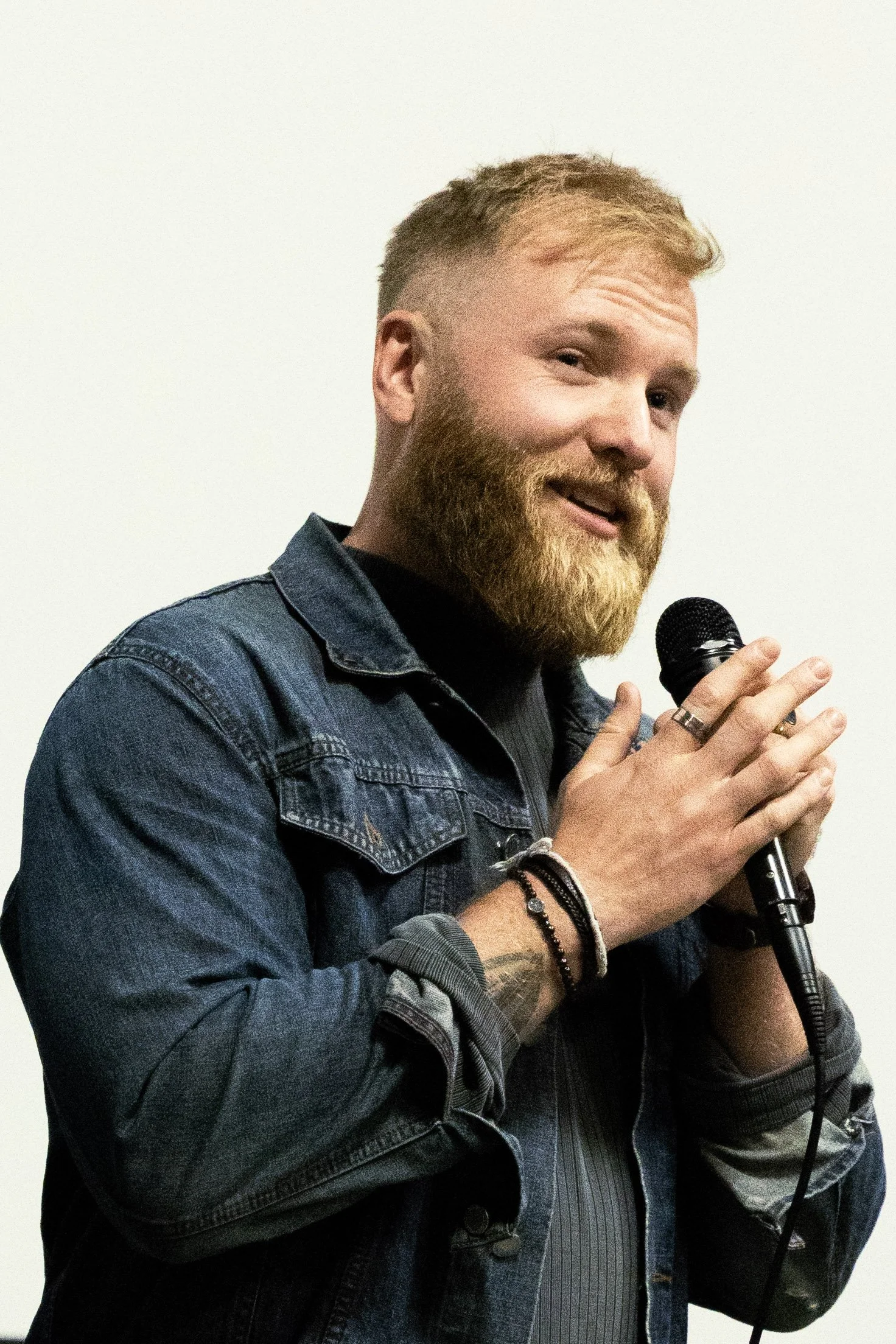
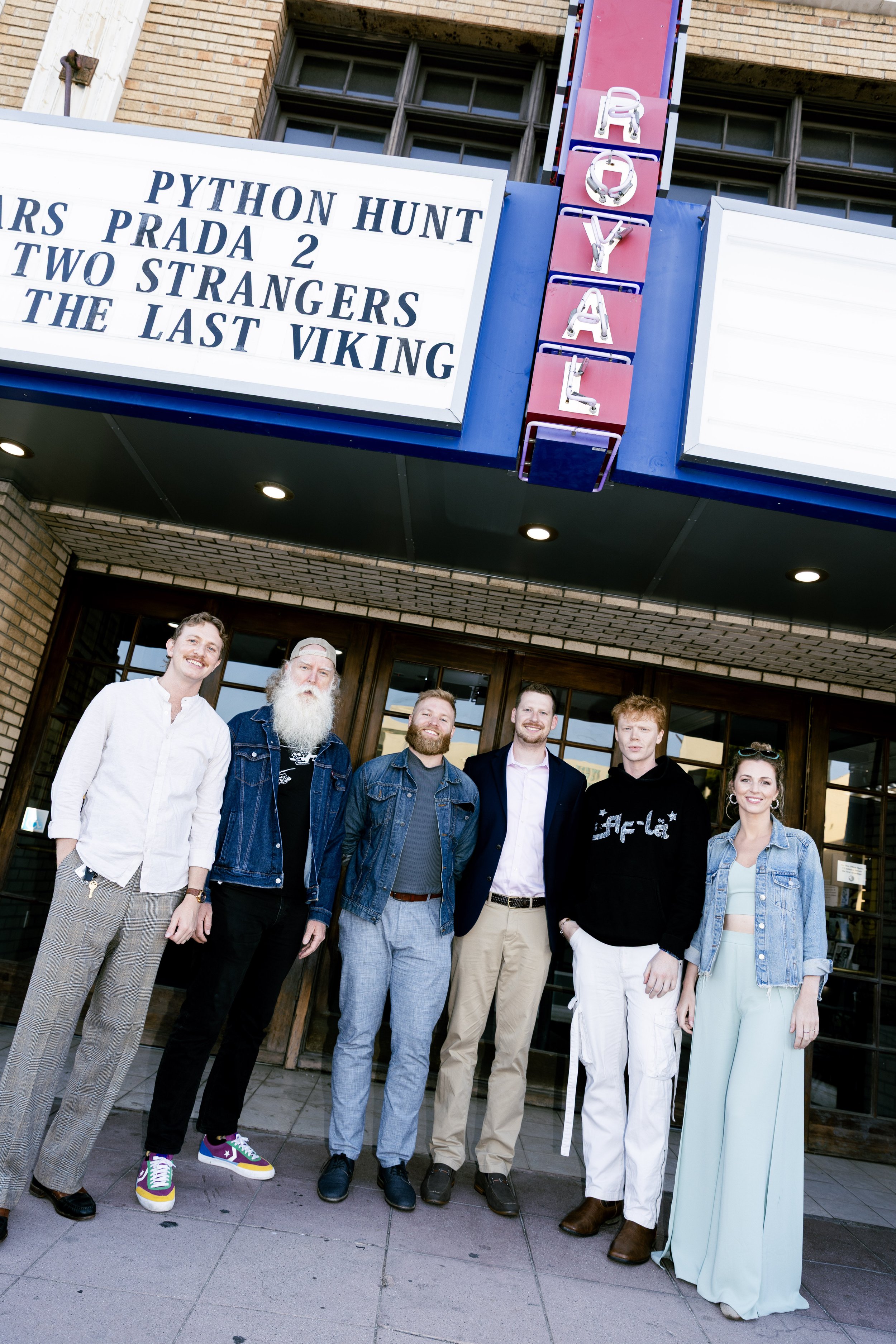
(from left to right)
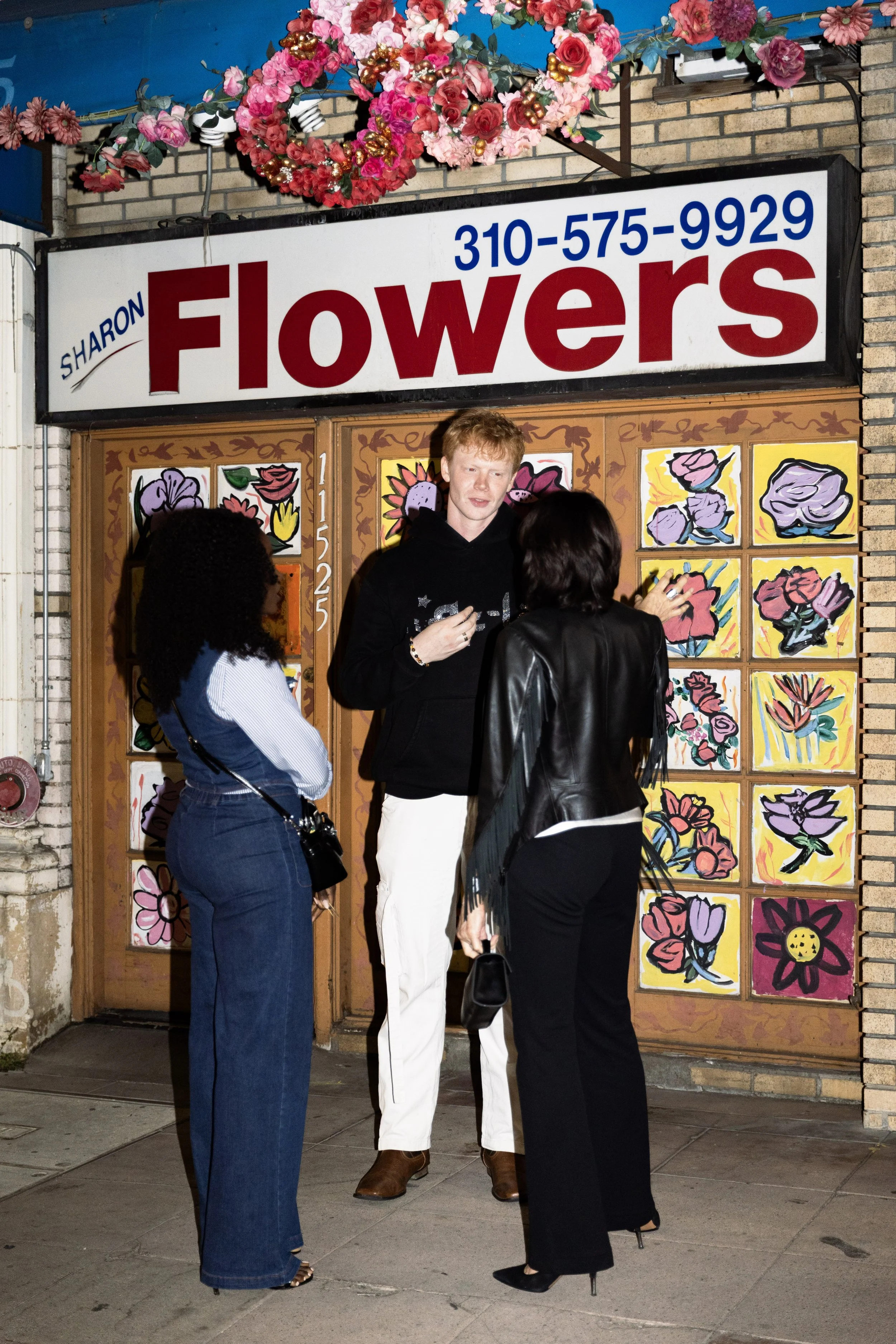
pictured top left - Brian Reilly, Simon Kienitz Kincade, Dillon Bentlage
pictured bottom middle - Hugo Armstrong, Dillon Bentlage, Dominika Zawata, Brian Reilly, Simon Kienitz Kincade, Sam Bullington
pictured top right - Dillon Bentlage

So the producers decided to risk it all with a new strategy: distributing the film themselves, with the aid of Ry Levey, a film distribution consultant. While a few films have used the roadshow format to great success, namely Hundreds of Beavers, which earned over $1.5 million at the box office almost entirely in independent screenings, the format is still new and untested. But, according to Kienitz Kincade, “a lot of small theaters were very receptive to the idea. They also feel left behind by the major entertainment companies deprioritizing theatrical moviegoing, so if you can bring them something that’s an event, and you say we’re going to go out there and we’re going to do a talk back and we’re going to meet people. Putting us in for two nights is not that big of a risk.”
While it may not be a big lift for the local cinemas to screen the film, it took a phenomenal effort on behalf of the creative team to ensure the screenings’ success by connecting with new audiences. “What we found is there are audiences in all these cities we wouldn’t consider ‘film cities’ hungry for this content. If we can find the right people and get them the right message,
they will come out to see it. I mean, we made a movie for old people! A sort of throwback that’s emotional, earnest, not trying to wow you. We were sort of thinking ‘where does this fit in?’, but ultimately found that there are a lot of people all across the country who are like ‘oh cool, I haven’t seen a new movie that feels this way in a while’” said Kienitz Kincade.
Now, as the Mr. Pearson tour continues, their focus shifts to the future; both finding a home for the film online, using the press, sales and marketing from each of their screenings to bolster their footprint and on starting new projects that will use a similar model, but one refined by their experiences. The Mr. Pearson team takes their place as trailblazers of a new kind of independent film, one which creates its own audience. Here’s to hoping that this new model will help film-going transform from endless comic-book franchise slope to a bespoke, community-oriented artistic experience, like your favorite band coming to town, or a play put on by your friends in their backyard.
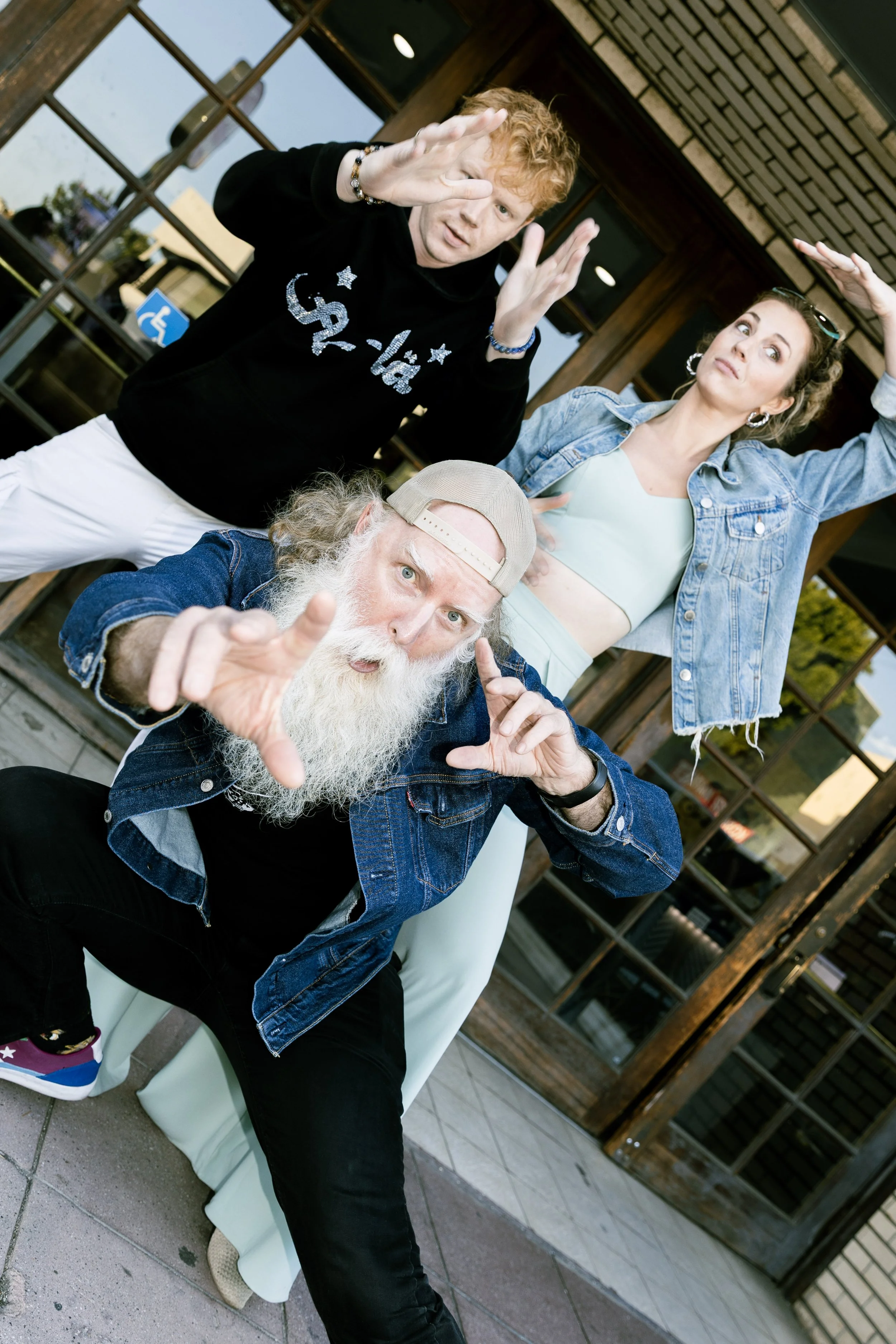
(from left to right) pictured - Sam Bullington, Hugo Armstrong, Dominika Zawata